
Western Delta University Applied Technology Centre
STATUSIn Delivery
LOCATIONOgahara, Delta State, Nigeria
TIMELINEIn Progress
CATEGORYWater & Sustainability
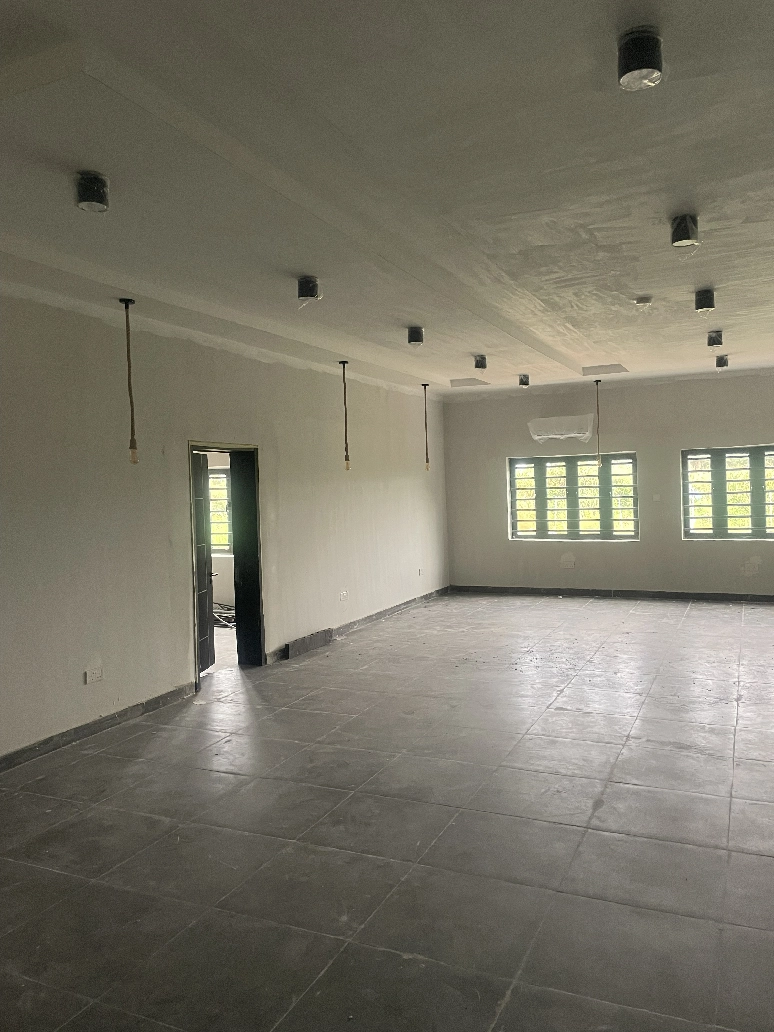
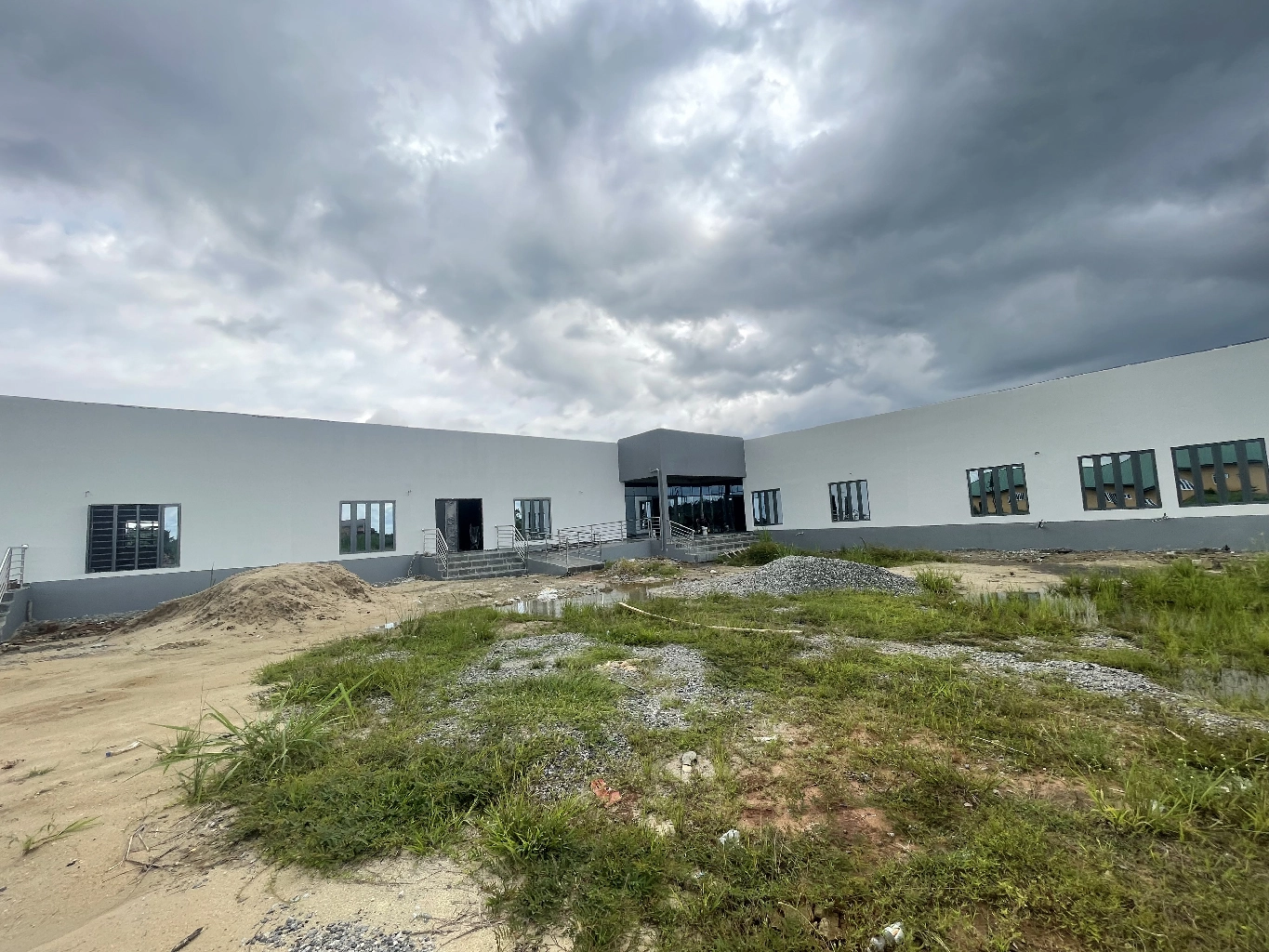
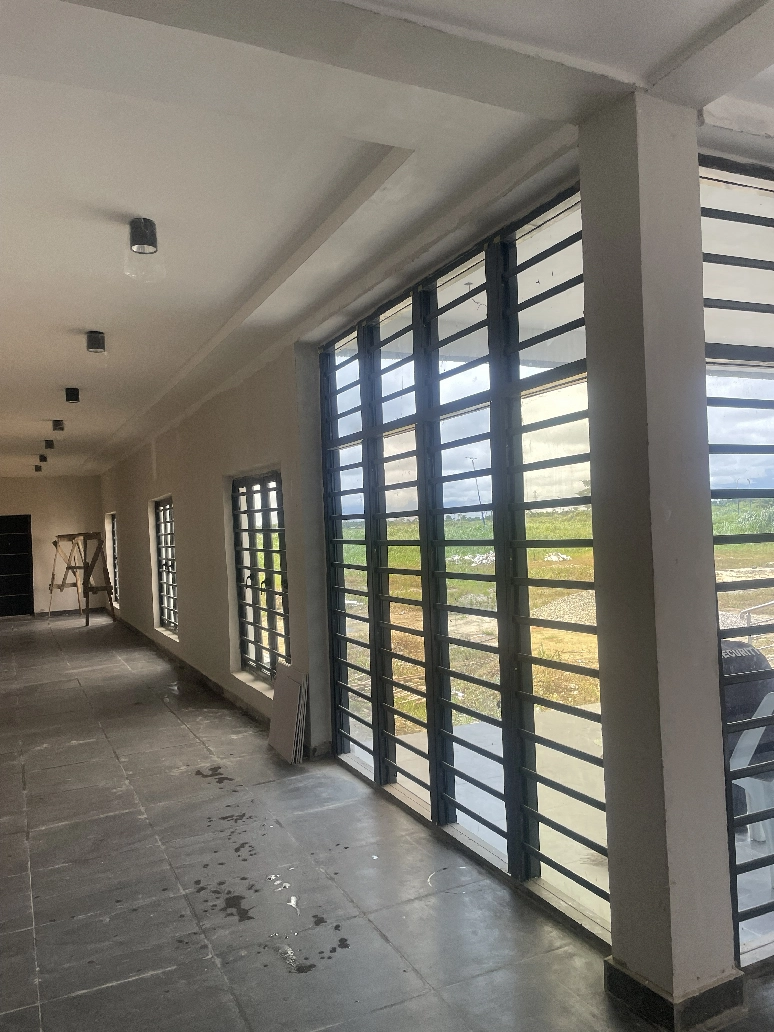
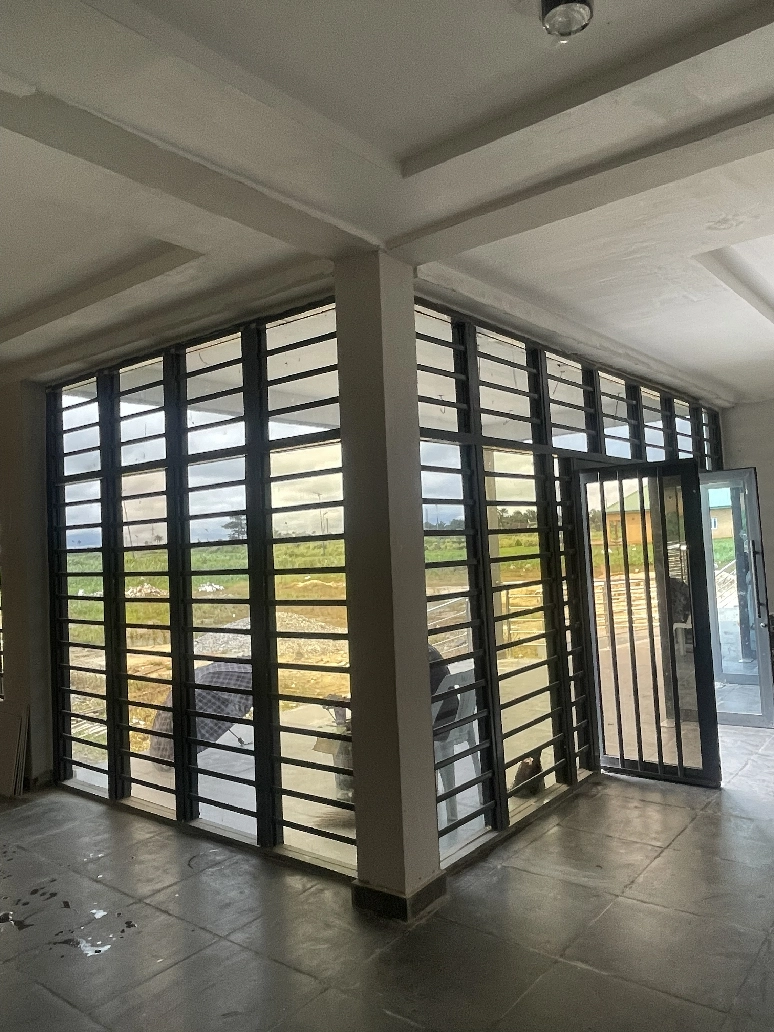
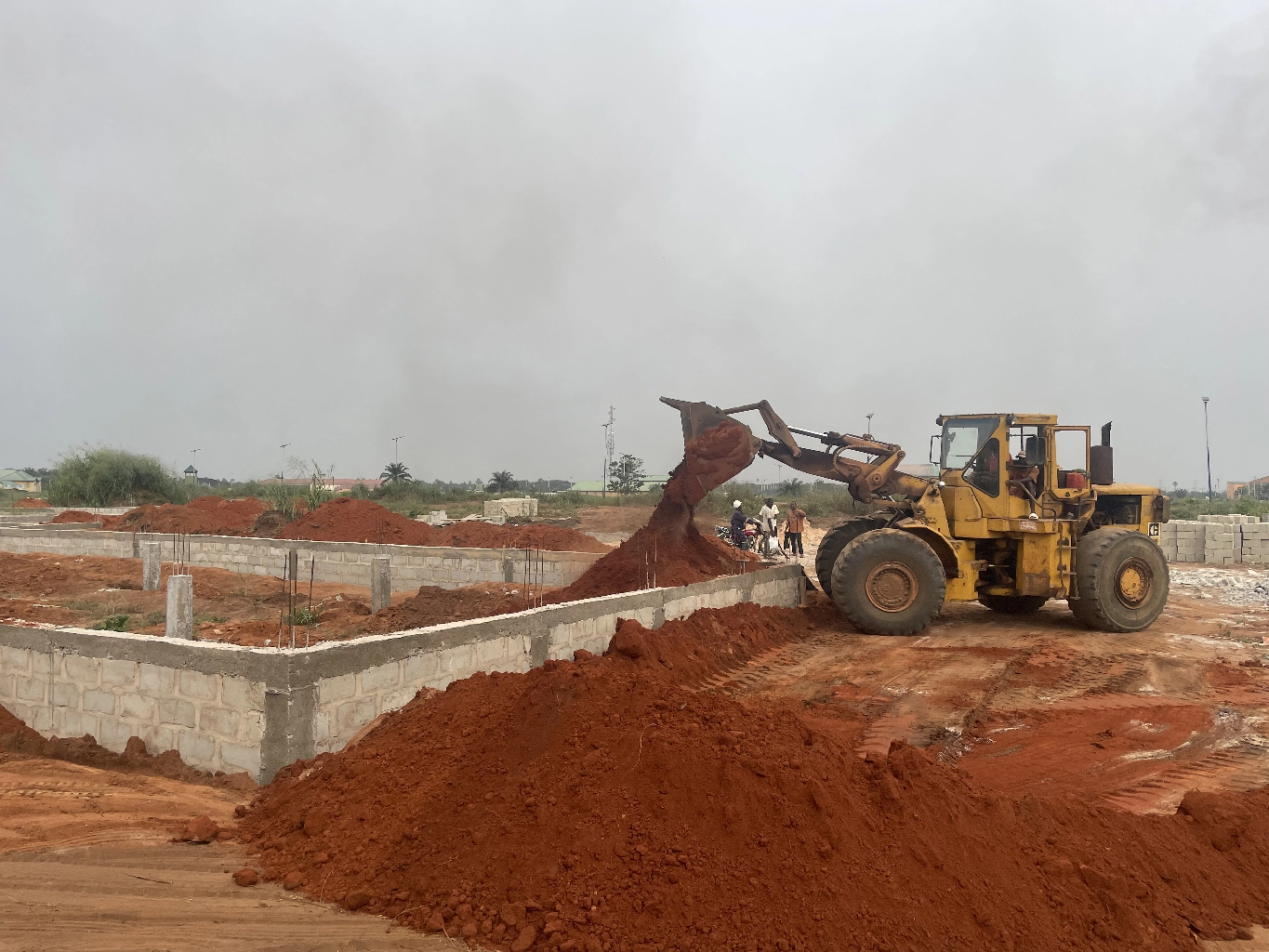
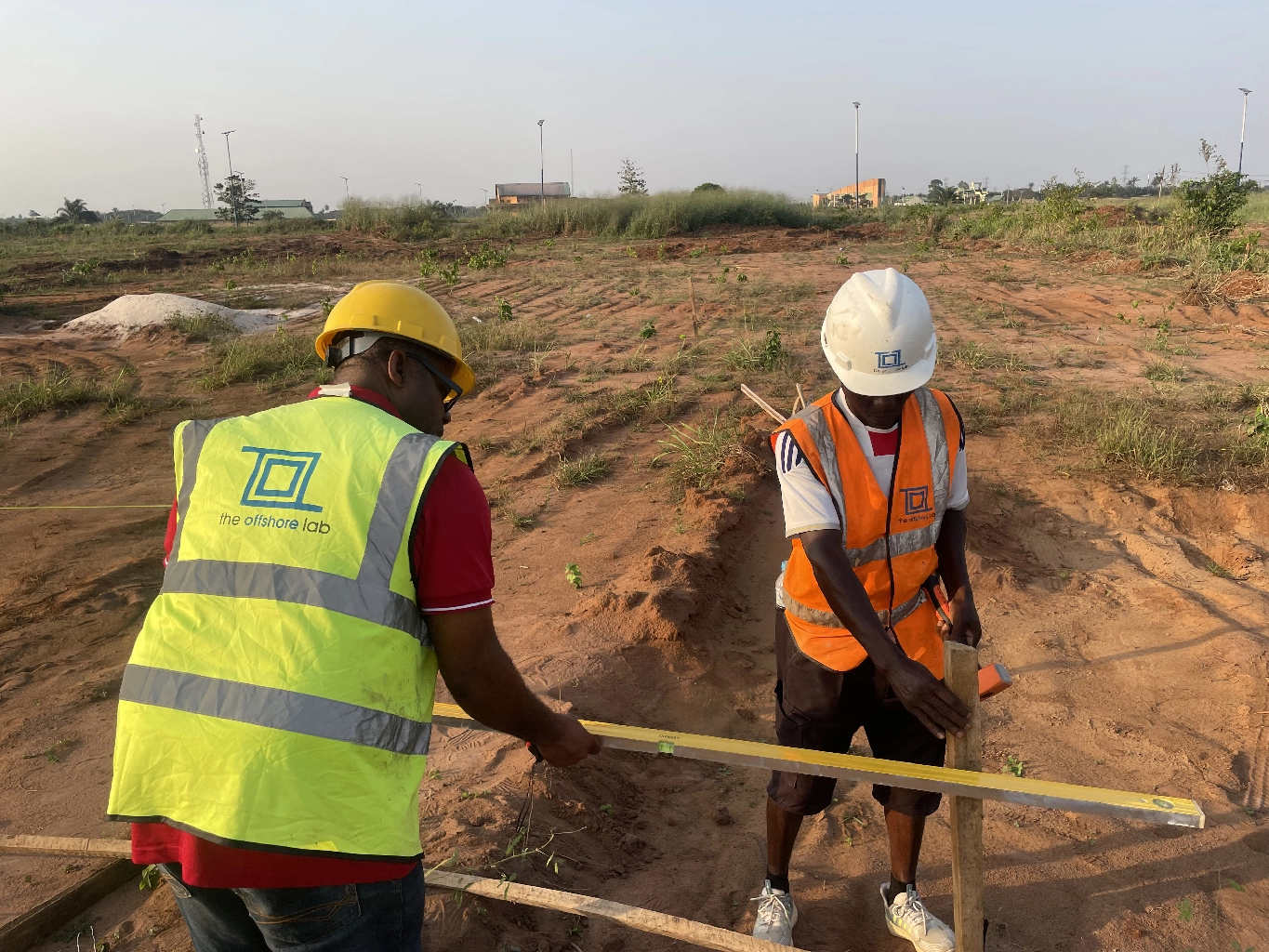
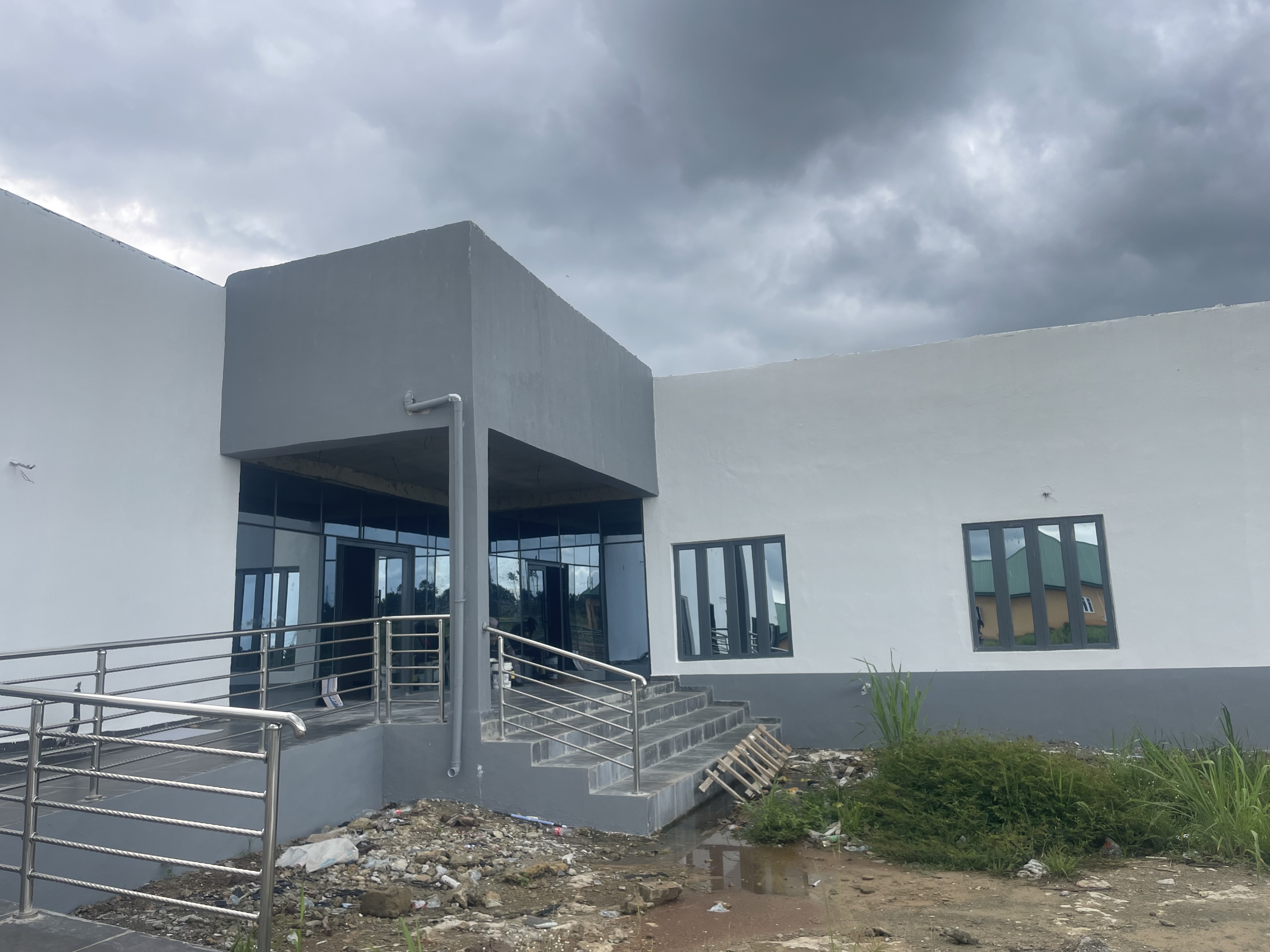
Western Delta University Applied Technology Centre
The Applied Technology Centre (ATC) is a landmark initiative of the Nigerian Content Development and Monitoring Board (NCDMB), established at Western Delta University, Oghara, to advance technical education, innovation, and workforce development. Designed to support the growth of Nigeria’s Oil & Gas industry, the centre will provide students with hands-on training, industry-relevant skills, and opportunities for technological innovation.
More than a learning facility, the Centre represents a strategic investment in local capacity development—bridging the gap between academic knowledge and practical application while empowering the next generation of Nigerian technical professionals.
RELATED TOPICS

Report
The Offshore Lab Launches Campus Green Belt Initiative with the Planting of 1000 Trees at Bauchi State University, Gadau
Gadau, Bauchi State — In a significant stride towards combating climate change and deforestation, The Offshore Lab has partnered with Bauchi State University, Gadau to launch the ambitious Campus Green Belt initiative at the university’s main campus in Gadau. This groundbreaking project, marked by the planting of 1,000 fruit-bearing trees and the installation of a state-of-the-art drip irrigation system, is set to transform the university's landscape and serve as a beacon of sustainable development across Nigeria. The Campus Green Belt initiative has been conceived to plant and nurture fruit-bearing trees in universities and institutions of learning across Nigeria. It aims to harness the energy and enthusiasm of Nigeria's youth to address the pressing environmental crises facing the country. With climate change and deforestation posing existential threats to the nation, this project represents a proactive step towards fostering a culture of environmental stewardship and sustainable practices within educational institutions. A Visionary Initiative The Offshore Lab, a renowned project delivery contractor and incubator for innovative solutions, has designed the Campus Green Belt initiative to leverage the potential of young people in driving meaningful and sustainable change. By engaging students in the planning, planting, and maintenance of the trees, the project not only aims to create a greener campus but also to instil a deep sense of environmental responsibility and activism among the youth. "Our goal is to create a sustainable and scalable model that can be replicated across educational institutions in Nigeria," said Emeka Obiwulu, CEO of The Offshore Lab. "By involving students in every step of the process, we are empowering them to become the next generation of environmental leaders." Combating Climate Change and Deforestation Nigeria, like many other countries, is grappling with the devastating effects of climate change and widespread deforestation. The Campus Green Belt initiative addresses these challenges by promoting reforestation and sustainable agricultural practices. The 1,000 fruit-bearing trees planted on BASUG's main campus will not only enhance biodiversity and sequester carbon but also provide economic benefits to the community through the eventual harvest of fruits. The drip irrigation system installed as part of the project ensures the efficient use of water resources, a critical consideration in a region often affected by drought. This technology will help maintain the health and growth of the newly planted trees, demonstrating a practical application of sustainable agricultural techniques. Youth Empowerment and Education Central to the success of the Campus Green Belt initiative is its focus on youth empowerment. The project engages students in hands-on activities, providing them with practical skills and knowledge in environmental conservation and sustainable agriculture. Setting up student groups, workshops, seminars, and field training sessions are integral components of the initiative, offering students valuable learning experiences outside the traditional classroom setting. "The enthusiasm and dedication of the students have been truly inspiring," remarked Dr. Umar, a key facilitator of the project at BASUG. "I expect them to take ownership and take the lead, and my role will be supervisory”. “The active participation of the students not only ensures the success of this initiative but also lays the foundation for a generation of environmentally conscious citizens." A Collaborative Effort The launch of the Campus Green Belt initiative has been made possible through the collaboration of various stakeholders, including university leadership, local government officials, and community members. The support from the University leadership has been instrumental in providing a conducive platform for the project's implementation. According to the Vice Chancellor Prof. Fatima Tahir, the initiative came at the right time as the university always had the idea of establishing this orchard with such biodiversity and fruit-bearing trees. She said, “In as much as the university always had this idea of wanting to establish something like this, I must say that this is the conception of The Offshore Lab with the support of Shell Petroleum Development Company.” "We are proud to be the first university to host this innovative initiative," said Prof Tahir. "This project aligns perfectly with our commitment to sustainable development and community engagement. We look forward to seeing its positive impact on our students and the wider community." A Model for the Future As the Campus Green Belt initiative takes root at BASUG, its proponents are hopeful that it will serve as a model for other institutions across Nigeria and beyond. The project's success demonstrates the power of youth-led action in addressing global environmental challenges and highlights the importance of integrating sustainability into educational frameworks. In a world increasingly threatened by environmental degradation, initiatives like Campus Green Belt offer a glimmer of hope and a roadmap for sustainable development. By empowering the youth and fostering a culture of environmental responsibility, The Offshore Lab and BASUG are making significant strides towards a greener, more resilient future.
Jun 14, 2024Read more
Report
Badamia Home: A success story of street boys finding hope through technology
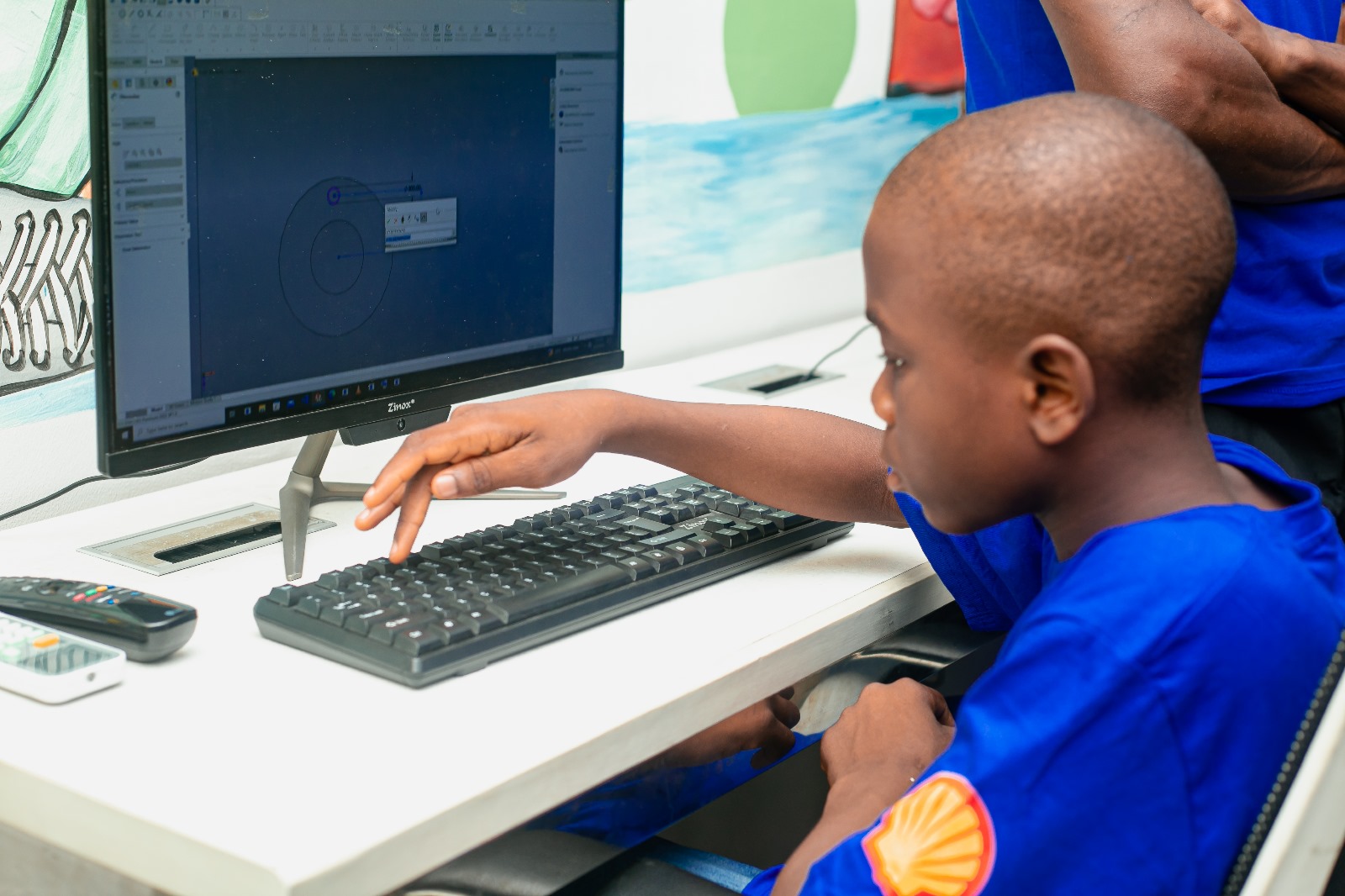
An extraordinary tale of hope and transformation unfolds beneath the surface of Badamia Home in Port-Harcourt Rivers State; a sanctuary dedicated to the rescue, feeding, and education of street boys. A year ago, SPDC and NNPC Limited in partnership with The Offshore Lab donated a mini-ICT lab to the Home, (Junior Lab) complete with a tailored curriculum and trainers. Designed, equipped, and operated by The Offshore Lab, this space has become a portal to boundless aspirations and accelerated development of these young boys hitherto unfamiliar with the realm of computers. Their progression has been nothing short of remarkable. From grasping the fundamentals to delving into the intricacies of engineering design, these boys have embarked on a journey of self-discovery and intellectual growth that surpasses all expectations. According to Emeka Obiwulu, the CEO of The Offshore Lab, “The success thus far of the heroes of Badamia Home is further proof of the notion that talent is everywhere while opportunity isn’t. It is testament to the abundance of talent and resources our country possesses even within grassroots and disadvantaged demographics. By sustainably scaling up initiatives like these and establishing similar centres of learning in all our Local Government Areas, we can provide invaluable opportunities for education, skills development, employment, productivity, and national development. The envisioned impact is designed to extend far beyond the confines of this single location. It is about catalysing a nationwide ripple effect of positive change by fostering and disseminating specialised learning from the grassroots”. On Tuesday 23 rd April 2024, the corporate governance and social investment teams from SPDC dedicated a day at the Home, mentoring, inspiring and reviewing the developmental strides of Badamia’s inspiring young men. Igo Weli, GM Corporate Relations for Shell Companies in Nigeria, reflected, “Our actions today shape the narrative for our nation’s tomorrow; we all can contribute to a brighter future and must seize these opportunities as responsibilities. I am thrilled because I see things here that will help this country in the future. It is not just about their technical development; you can also see the growth in confidence and leadership skills. This is the most rewarding part of my role as CR Head in Nigeria – being able to touch lives and directly witness the impact”. The story of the boys of Badamia Home epitomizes the transformative power of collaboration and the immense talent of the young Nigerian. This journey of determination, courage, and talent is one to watch closely. Guardian News
May 06, 2024Read more