The Offshore Lab logo
HomeServices
Projects
All Projects
Infrastructure
Technology & Digital
Education & Human Capital
Water & Sustainability
Community Development
InsightsContact
    The Offshore Lab logo© 2026 The Offshore Lab.
    All rights reserved.
    Nigeria

    Block A, Unit 9, Maben Terrace, Off Northern
    Foreshore, Chevron Drive, Lekki Lagos Nigeria.

    United Kingdom

    50 Charleston Road North Cove Aberdeen AB12
    3SZ, United Kingdom

    Contacts
    info@theoffshorelab.com+234 913 014 7792
    Socials
    FacebookX (Formerly Twitter)InstagramLinkedInYoutube
    Home/Projects/University of Benin ICT Lab and DeepTech Hub

    University of Benin ICT Lab and DeepTech Hub

    University of Benin ICT Lab and DeepTech Hub The University of Benin ICT Centre and Campus Green Belt Initiative is a strategic institutional strengthening project by Renaissance Africa Energy Company Limited in collaboration with the Nigerian Content Development and Monitoring Board (NCDMB), established to enhance digital learning, technical capacity development, and sustainable innovation
    STATUSIn Delivery
    LOCATIONBenin City, Edo State, Nigeria
    TIMELINEIn Progress
    CATEGORYTechnology & Learning Environments
    University of Benin ICT Lab and DeepTech Hub The University of Benin ICT Centre and Campus Green Belt Initiative is a strategic institutional strengthening project by Renaissance Africa Energy Company Limited in collaboration with the Nigerian Content Development and Monitoring Board (NCDMB), established to enhance digital learning, technical capacity development, and sustainable innovation
    University of Benin ICT Lab and DeepTech Hub The University of Benin ICT Centre and Campus Green Belt Initiative is a strategic institutional strengthening project by Renaissance Africa Energy Company Limited in collaboration with the Nigerian Content Development and Monitoring Board (NCDMB), established to enhance digital learning, technical capacity development, and sustainable innovation
    University of Benin ICT Lab and DeepTech Hub The University of Benin ICT Centre and Campus Green Belt Initiative is a strategic institutional strengthening project by Renaissance Africa Energy Company Limited in collaboration with the Nigerian Content Development and Monitoring Board (NCDMB), established to enhance digital learning, technical capacity development, and sustainable innovation
    University of Benin ICT Lab and DeepTech Hub The University of Benin ICT Centre and Campus Green Belt Initiative is a strategic institutional strengthening project by Renaissance Africa Energy Company Limited in collaboration with the Nigerian Content Development and Monitoring Board (NCDMB), established to enhance digital learning, technical capacity development, and sustainable innovation
    University of Benin ICT Lab and DeepTech Hub The University of Benin ICT Centre and Campus Green Belt Initiative is a strategic institutional strengthening project by Renaissance Africa Energy Company Limited in collaboration with the Nigerian Content Development and Monitoring Board (NCDMB), established to enhance digital learning, technical capacity development, and sustainable innovation
    University of Benin ICT Lab and DeepTech Hub The University of Benin ICT Centre and Campus Green Belt Initiative is a strategic institutional strengthening project by Renaissance Africa Energy Company Limited in collaboration with the Nigerian Content Development and Monitoring Board (NCDMB), established to enhance digital learning, technical capacity development, and sustainable innovation
    University of Benin ICT Lab and DeepTech Hub The University of Benin ICT Centre and Campus Green Belt Initiative is a strategic institutional strengthening project by Renaissance Africa Energy Company Limited in collaboration with the Nigerian Content Development and Monitoring Board (NCDMB), established to enhance digital learning, technical capacity development, and sustainable innovation
    University of Benin ICT Lab and DeepTech Hub The University of Benin ICT Centre and Campus Green Belt Initiative is a strategic institutional strengthening project by Renaissance Africa Energy Company Limited in collaboration with the Nigerian Content Development and Monitoring Board (NCDMB), established to enhance digital learning, technical capacity development, and sustainable innovation
    University of Benin ICT Lab and DeepTech Hub The University of Benin ICT Centre and Campus Green Belt Initiative is a strategic institutional strengthening project by Renaissance Africa Energy Company Limited in collaboration with the Nigerian Content Development and Monitoring Board (NCDMB), established to enhance digital learning, technical capacity development, and sustainable innovation
    University of Benin ICT Lab and DeepTech Hub The University of Benin ICT Centre and Campus Green Belt Initiative is a strategic institutional strengthening project by Renaissance Africa Energy Company Limited in collaboration with the Nigerian Content Development and Monitoring Board (NCDMB), established to enhance digital learning, technical capacity development, and sustainable innovation
    University of Benin ICT Lab and DeepTech Hub The University of Benin ICT Centre and Campus Green Belt Initiative is a strategic institutional strengthening project by Renaissance Africa Energy Company Limited in collaboration with the Nigerian Content Development and Monitoring Board (NCDMB), established to enhance digital learning, technical capacity development, and sustainable innovation
    University of Benin ICT Lab and DeepTech Hub The University of Benin ICT Centre and Campus Green Belt Initiative is a strategic institutional strengthening project by Renaissance Africa Energy Company Limited in collaboration with the Nigerian Content Development and Monitoring Board (NCDMB), established to enhance digital learning, technical capacity development, and sustainable innovation
    University of Benin ICT Lab and DeepTech Hub The University of Benin ICT Centre and Campus Green Belt Initiative is a strategic institutional strengthening project by Renaissance Africa Energy Company Limited in collaboration with the Nigerian Content Development and Monitoring Board (NCDMB), established to enhance digital learning, technical capacity development, and sustainable innovation
    University of Benin ICT Lab and DeepTech Hub The University of Benin ICT Centre and Campus Green Belt Initiative is a strategic institutional strengthening project by Renaissance Africa Energy Company Limited in collaboration with the Nigerian Content Development and Monitoring Board (NCDMB), established to enhance digital learning, technical capacity development, and sustainable innovation
    University of Benin ICT Lab and DeepTech Hub The University of Benin ICT Centre and Campus Green Belt Initiative is a strategic institutional strengthening project by Renaissance Africa Energy Company Limited in collaboration with the Nigerian Content Development and Monitoring Board (NCDMB), established to enhance digital learning, technical capacity development, and sustainable innovation
    image
    image
    image
    image
    image
    image
    image
    image
    image
    image
    image
    image
    image
    image
    image

    University of Benin ICT Lab and DeepTech Hub

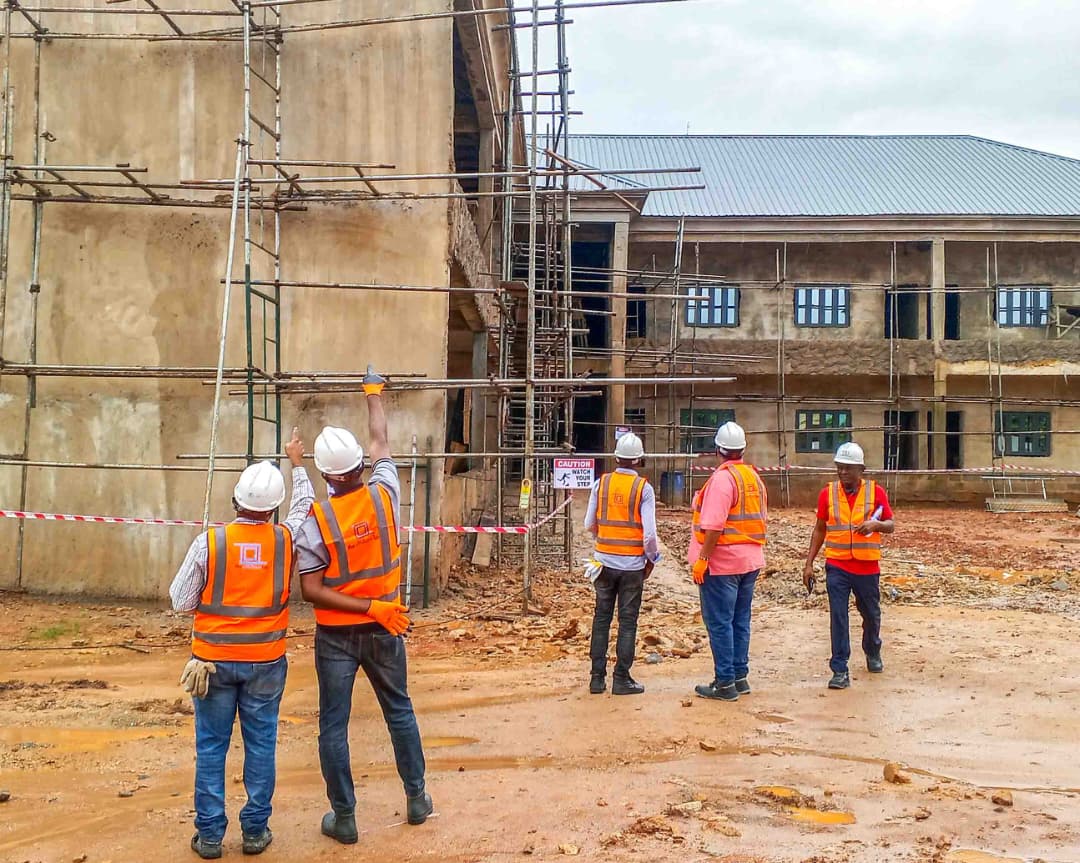
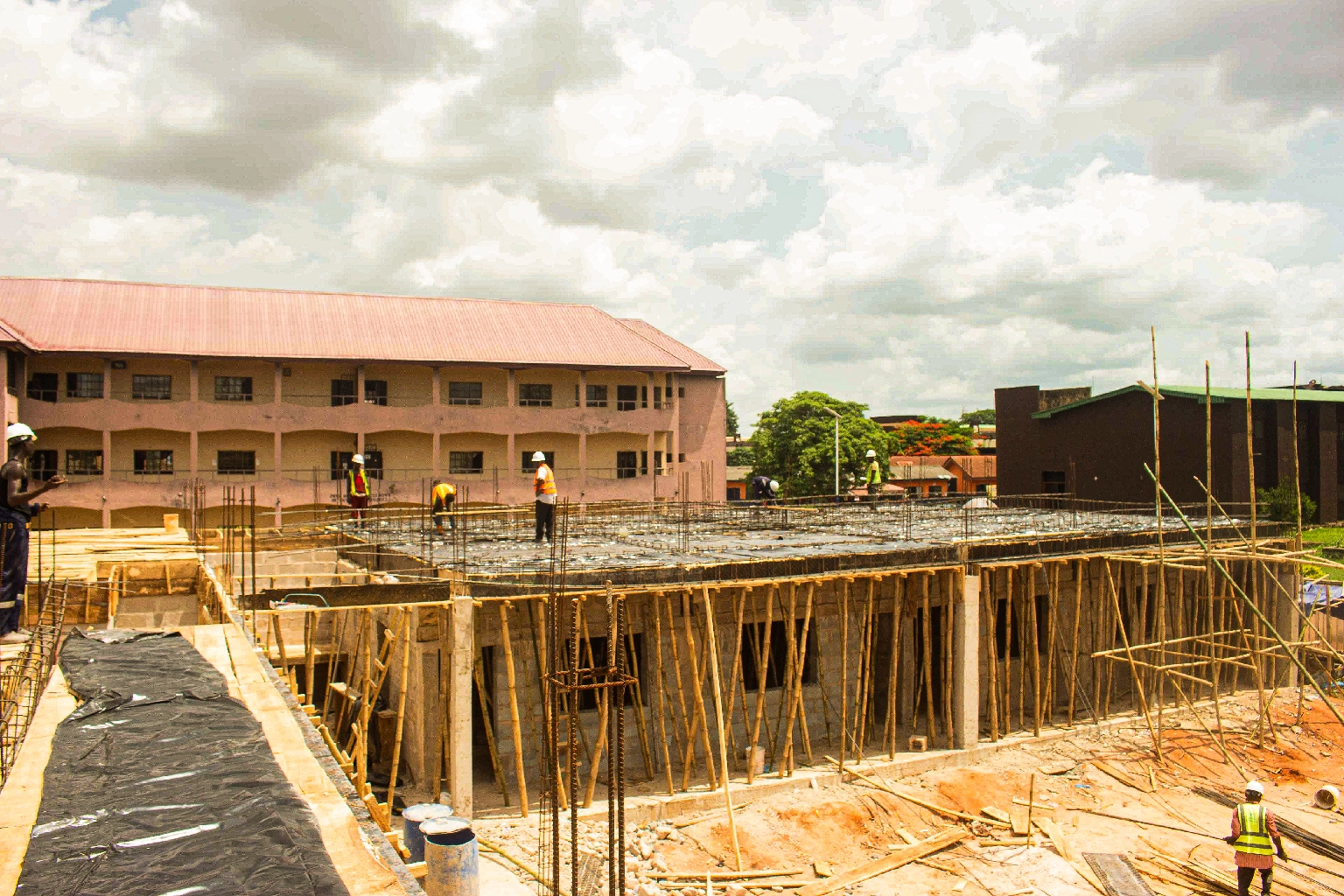
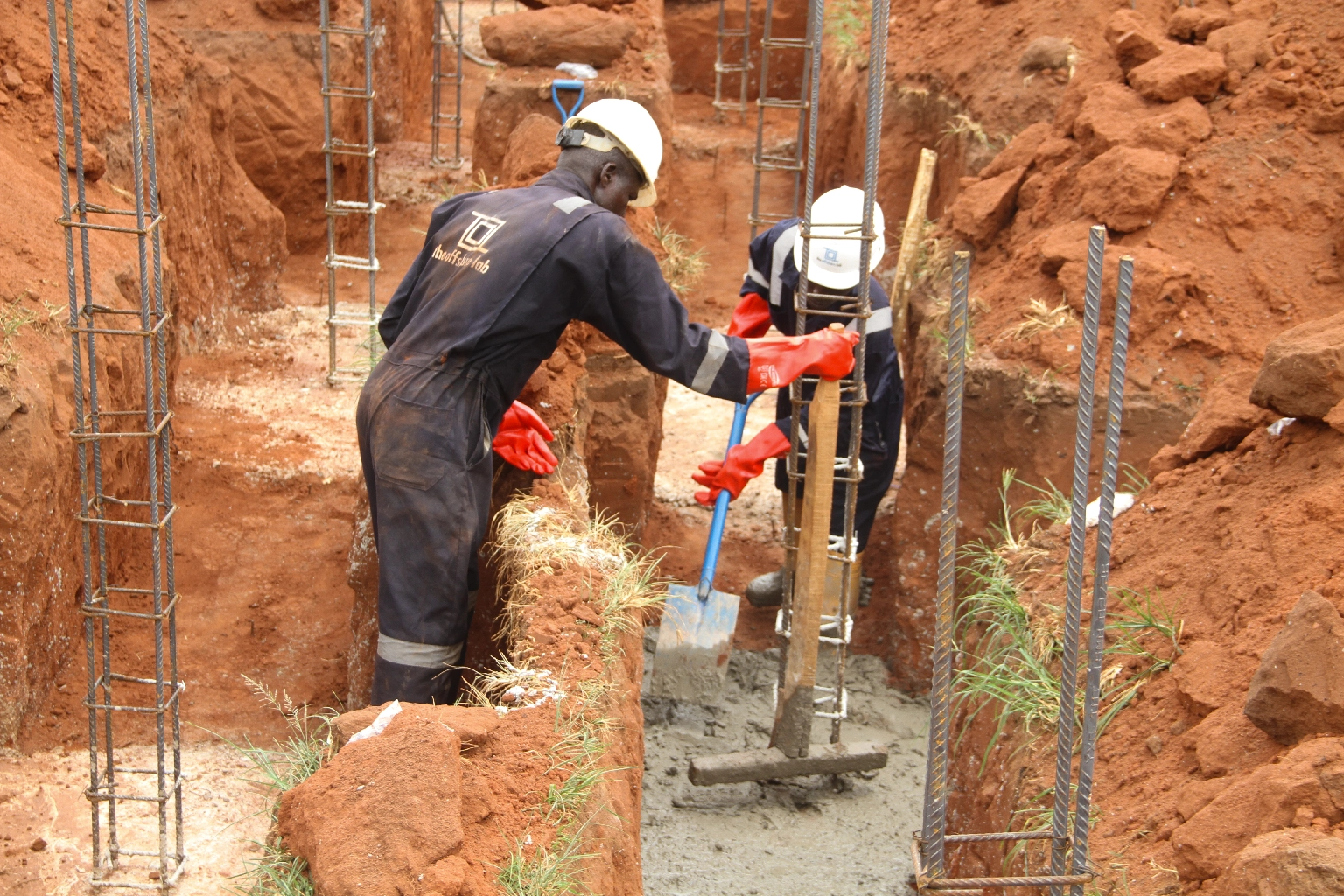
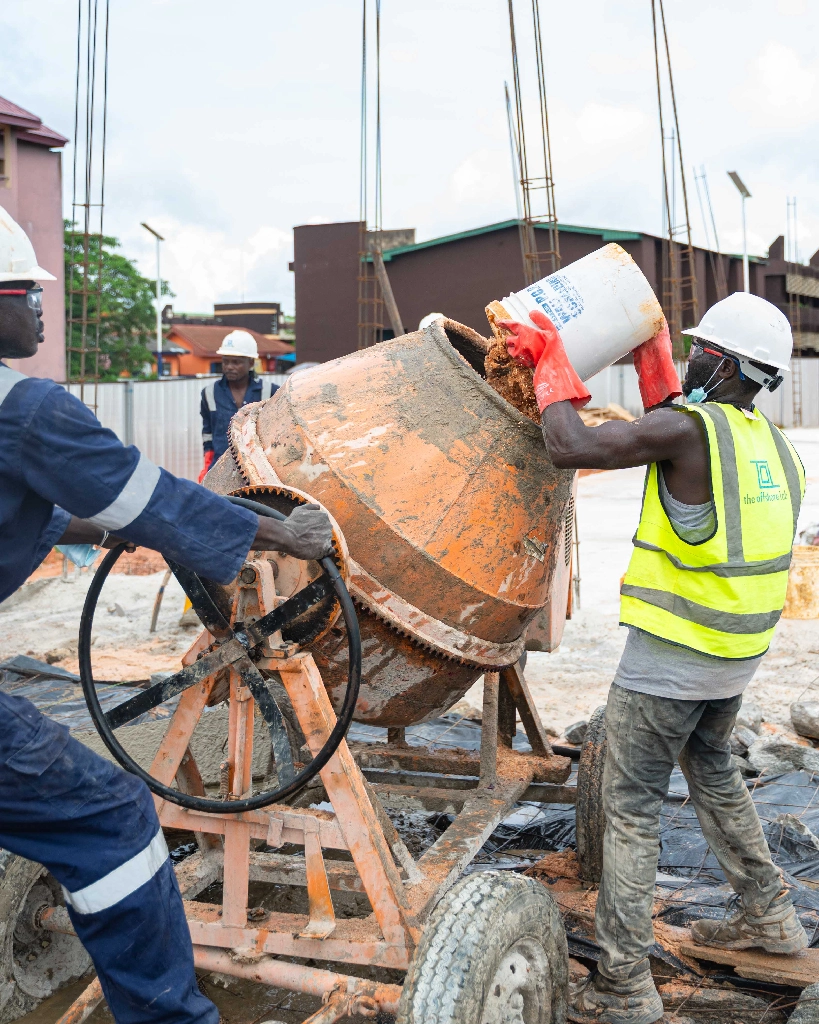
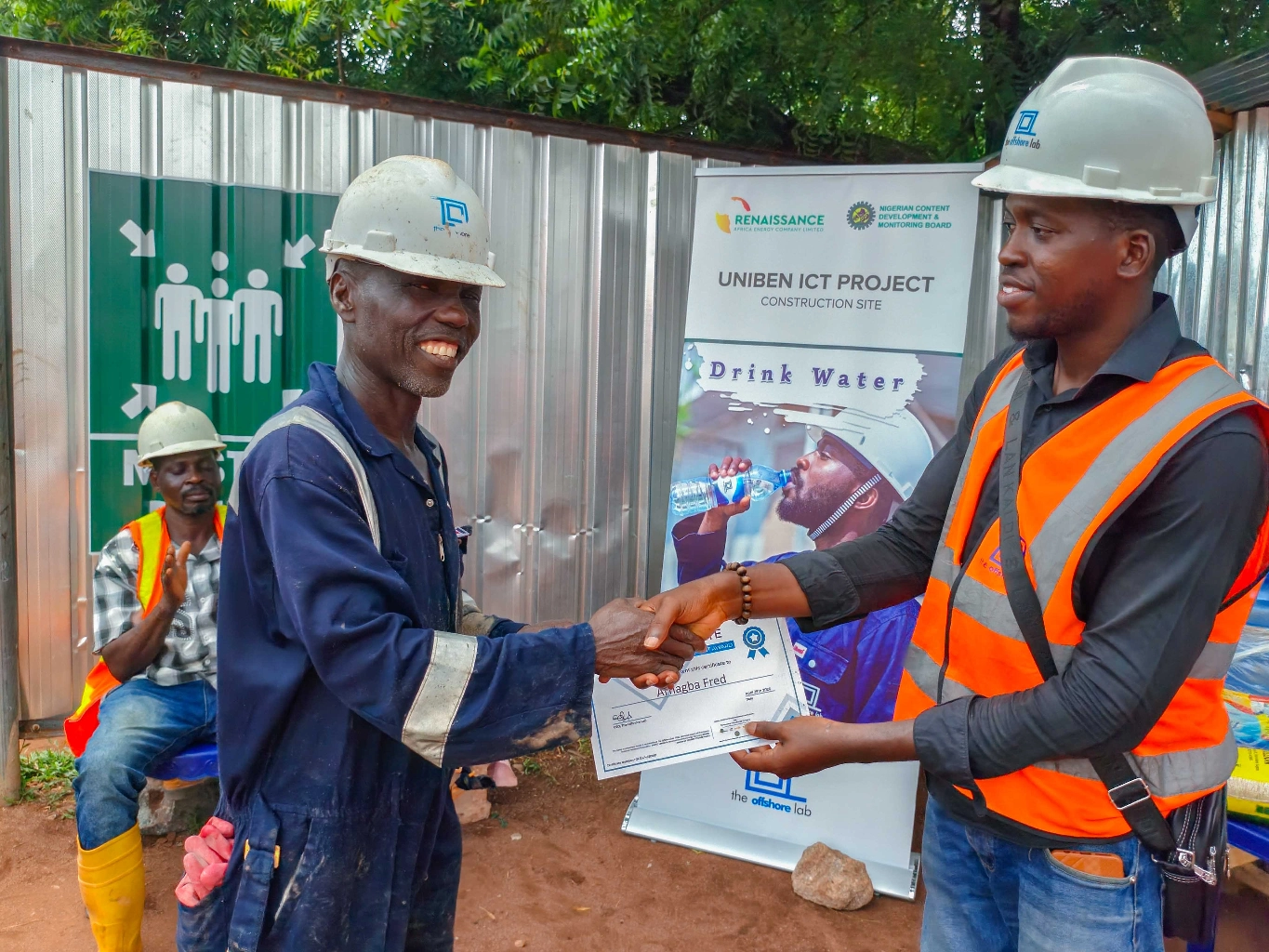
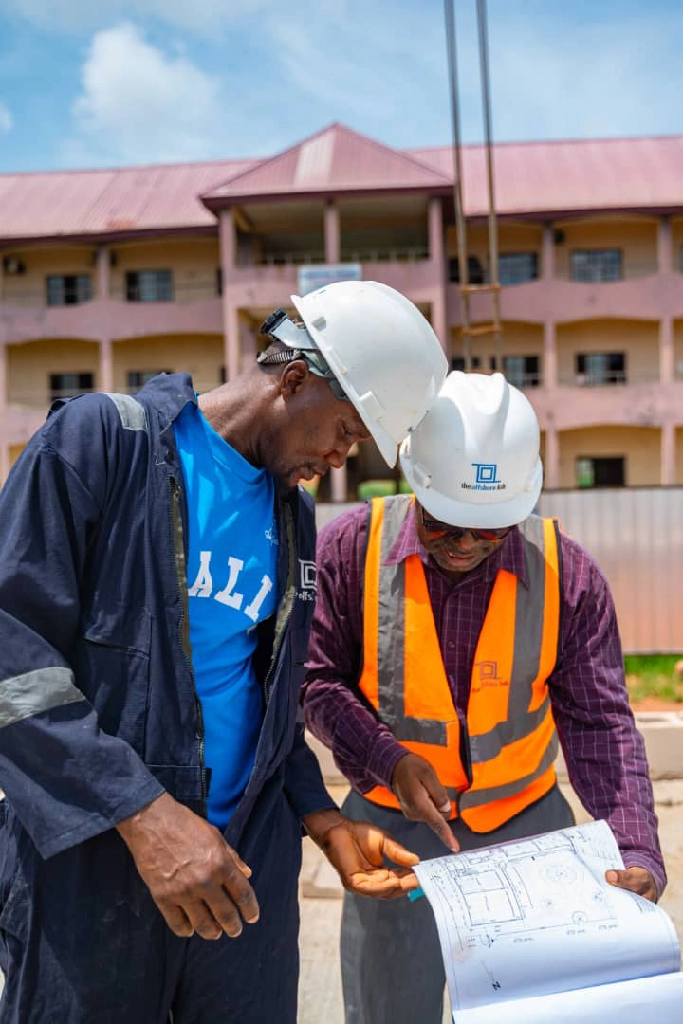
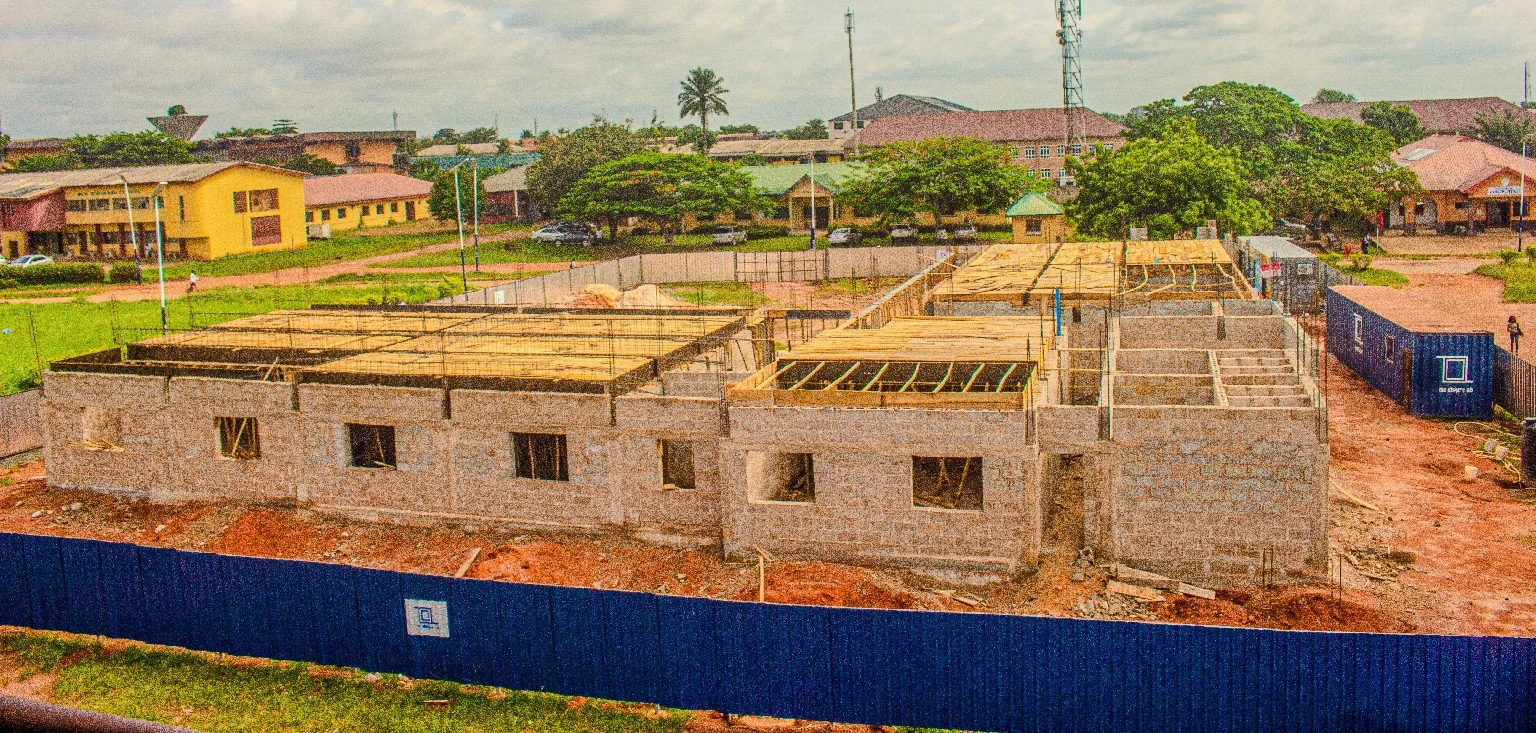
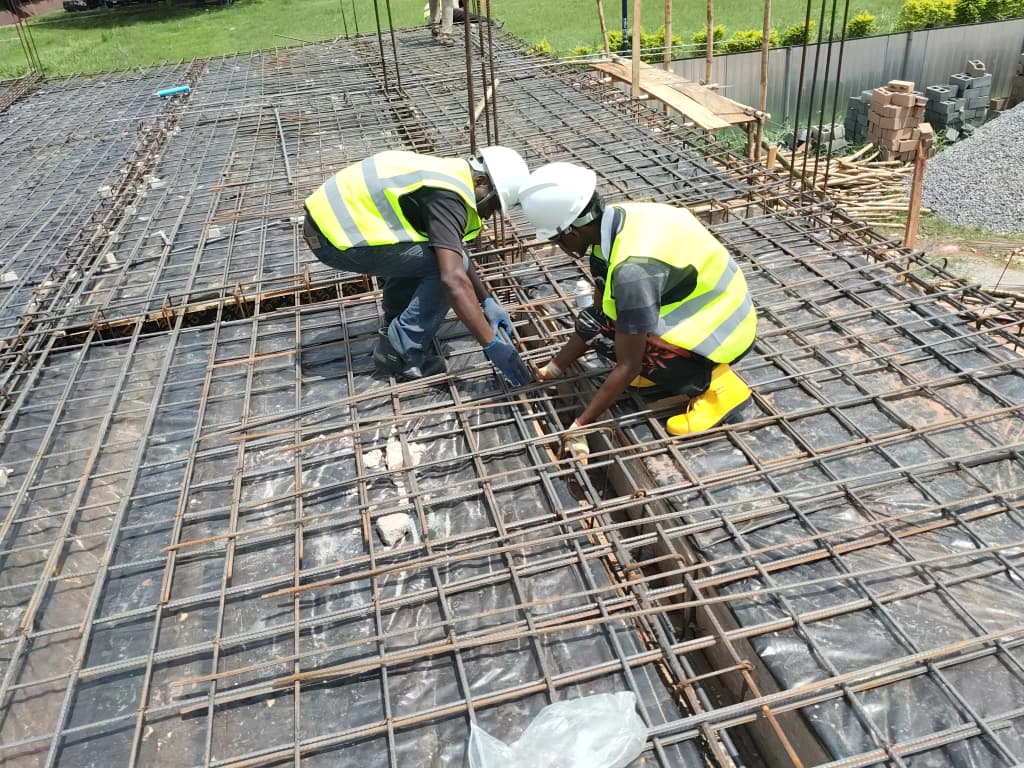
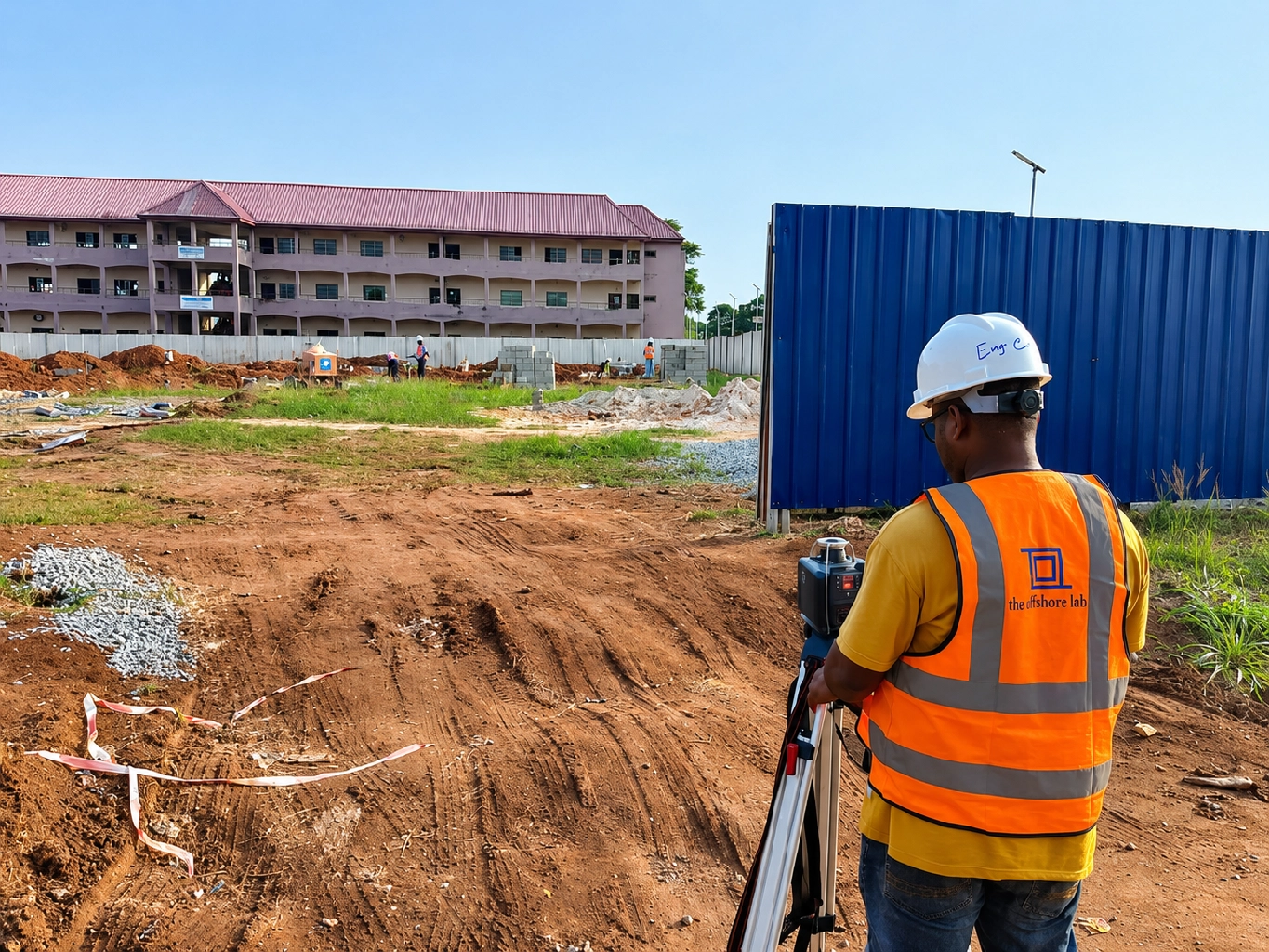
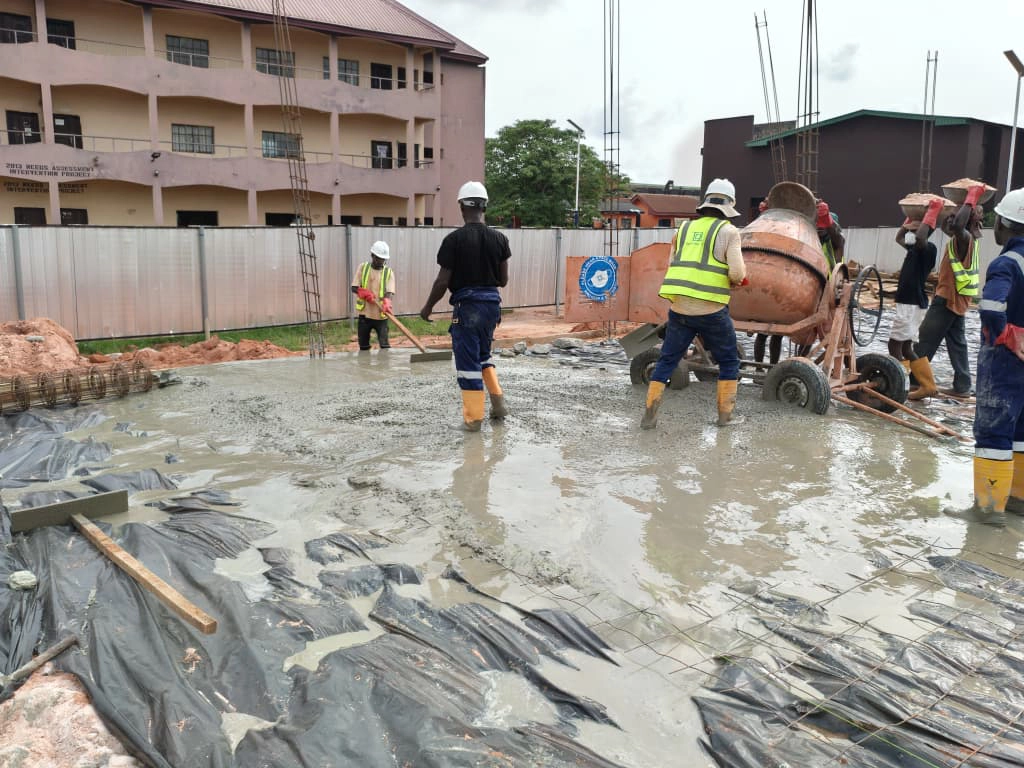
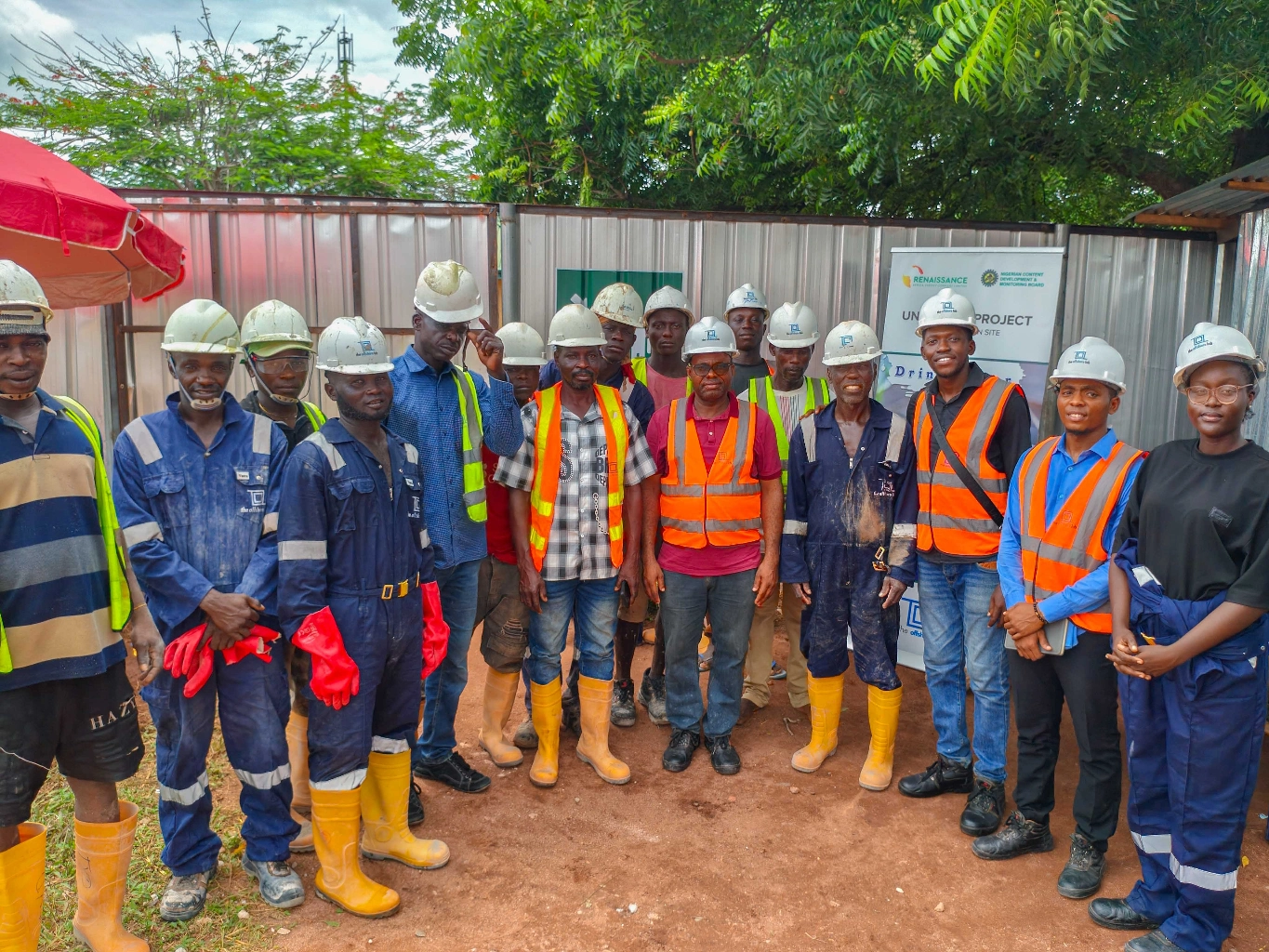
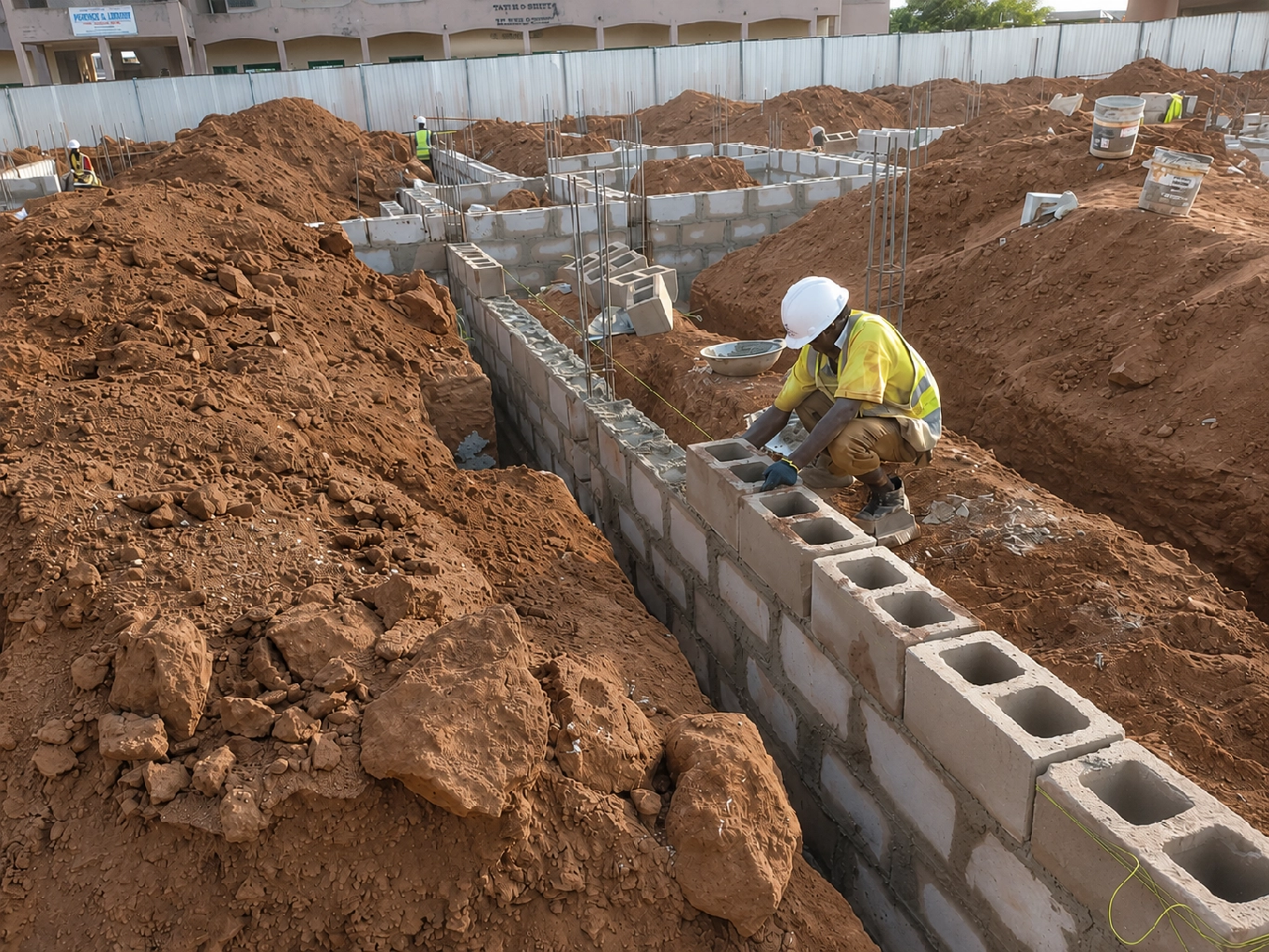
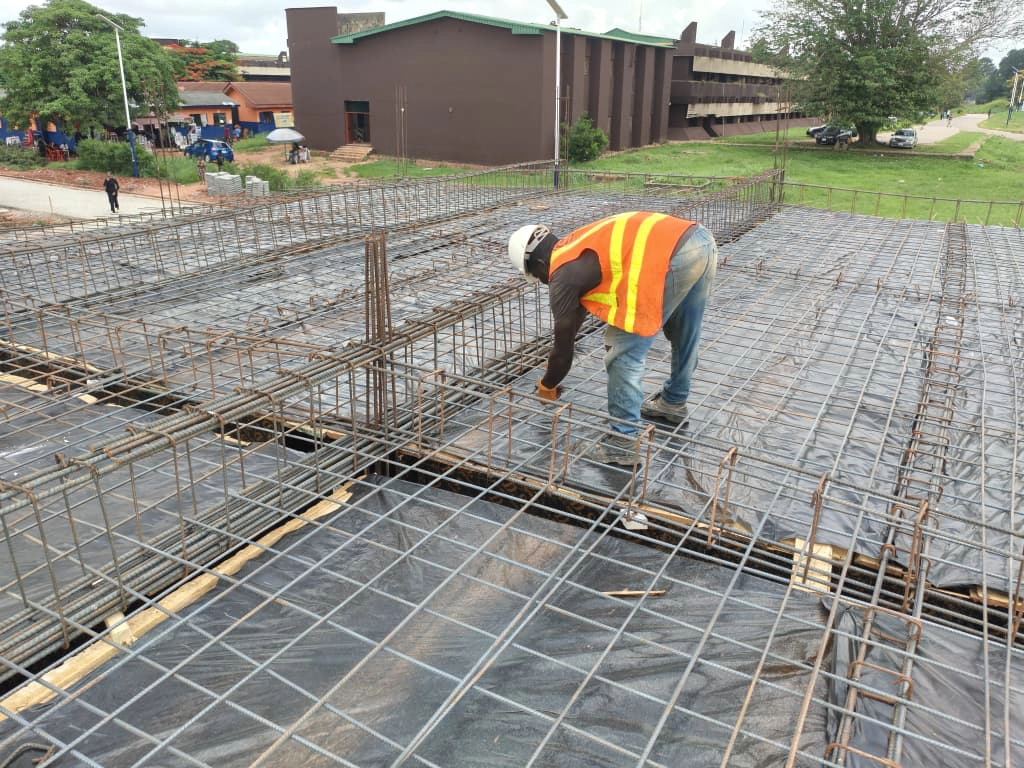
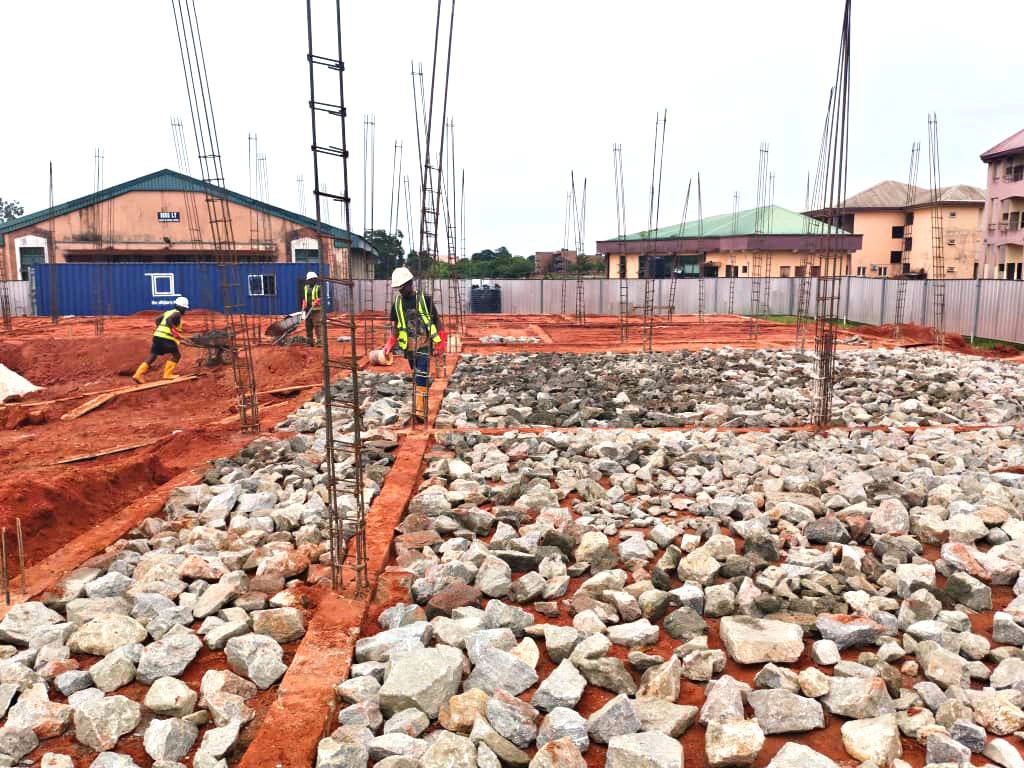
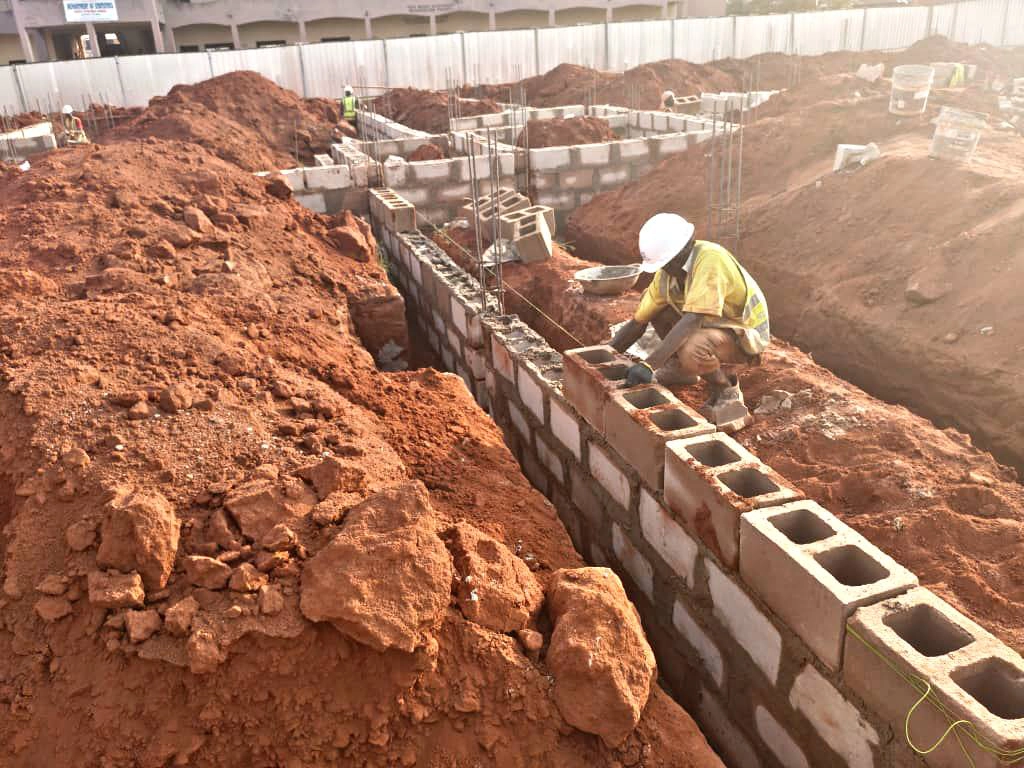
    The University of Benin ICT Centre and Campus Green Belt Initiative is a strategic institutional strengthening project by Renaissance Africa Energy Company Limited in collaboration with the Nigerian Content Development and Monitoring Board (NCDMB), established to enhance digital learning, technical capacity development, and sustainable innovation. Aligned with the NOGIC Act 2010 and NCDMB’s Human Capacity Development framework, the project will deliver a world-class ICT Centre and Engineering Design Studio equipped to provide engineering students with practical, industry-relevant digital skills applicable to the Oil & Gas sector and broader engineering fields.


    Beyond the ICT facility, the project incorporates a Campus Green Belt initiative focused on sustainable agriculture and environmental development through the establishment of a cash crop plantation. More than an infrastructure project, the initiative represents a commitment to bridging the gap between academic knowledge and practical application while empowering the next generation of Nigerian engineers, innovators, and technical professionals.


    RELATED TOPICS


    In Benue’s IDP camp, a shipping container is redefining school for children
    Report

    In Benue’s IDP camp, a shipping container is redefining school for children

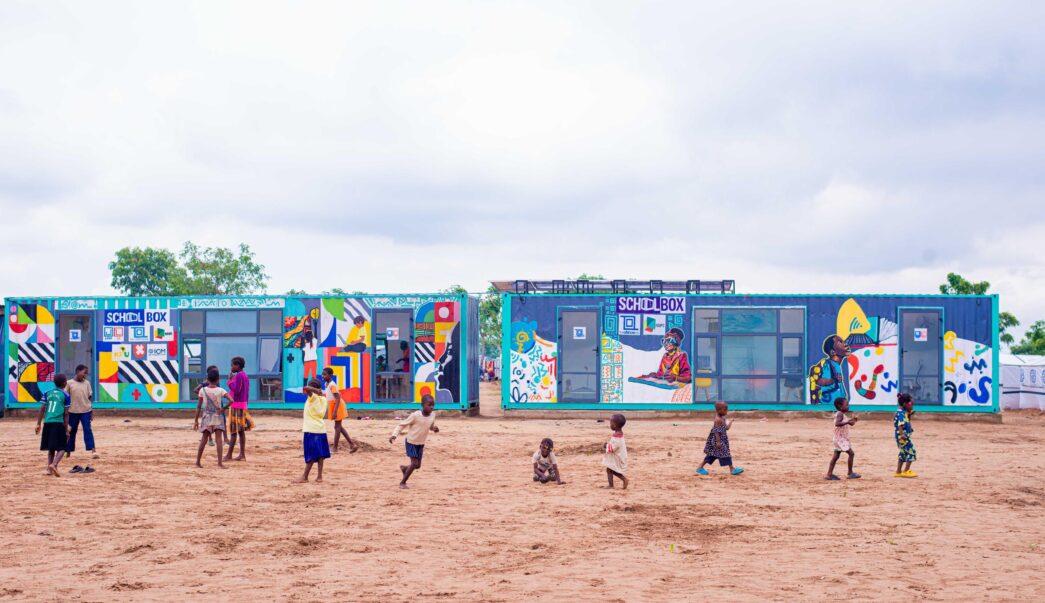
    Low, heavy clouds pressed over the sky threatening to turn the already damp red earth from previous downpours to thick mud. As the low growls of thunder rumbled, 14-year-old Terkula Bemdoo hurried toward a bright blue container stationed proudly in front of the temporary tarpaulin shelters that littered the mega internally displaced persons (IDP) camp at the Mbayongo community in Benue’s Guma LGA. Inside, it was dry, lit, and offered solace from the rain that leaked into the tent he shared with his family. But the warmth from the container was beyond just shelter from the storm; it gave hope for a future. There was a teacher waiting inside. The last time Bemdoo attended school was 10 years ago in his community, before he arrived in the camp. He was displaced from his home by the frequent violent farmer-herder clashes that have come to grimly define Benue state. In the camp, going to school was impossible when the priority was simply finding the next meal. Staying healthy was a bigger challenge and Bemdoo knew from a young age that the route to achieving his dreams as a mathematician wasn’t going to be an easy experience. The only memory of school the 14-year-old had was that it “was so bad”. Benjamin Prosper, Bemdoo’s 15-year-old friend, recalled having to sit on mats to write. But SchoolBox, the containers, opened a new world to the young boys. The blue walls of the 40ft container came alive with murals — painted patterns winding like ribbons and silhouettes of children nursing their dreams in defiant, blues, reds, and yellows — softening the steel. Square windows cut neatly into its sides juxtaposed by transparent glass doors. The environment offered the children a glimpse of how dreams can be achieved as they waited their turn to learn. Inside, seats fitted with desks, a whiteboard, and fans hooked to the walls gave the feel of a real school. Solar panels sat atop a frame above, tilted like open wings, catching what light they could to power the classroom that felt less like a repurposed shipping crate and more like a place that belonged to its students “SchoolBox was born out of a sense of urgency,” Emeka Obiwulu, CEO of The Offshore Lab, the company behind the education project, told TheCable. “It was born out of a refusal to just accept that all of these millions of Nigerian children were just destined to grow up in limbo, without classrooms, without teachers, or even hope of a future. “It’s a way of bringing education to the margins without waiting for the perfect conditions. It’s like a handshake from the wider world to them.” A 2024 UNICEF report disclosed that Nigeria has around 18 million out-of-school children. This includes about 10.2 million primary school-age children and 8.1 million junior secondary school-age children. The crisis is compounded by increasing displacement in conflict-prone states due to prolonged insecurity SchoolBox was developed to address this challenge by supporting Nigeria’s formal education system particularly in IDP camps and regions affected by insecurity or temporary school closures. Each SchoolBox is a recycled and repurposed shipping container, transformed into a safe, solar-powered and fully functional classroom, ICT lab or water, sanitation and hygiene (WASH) facility. These modular units are relocatable using flatbeds and Hiab trucks, making them ideal for emergency education needs and transitional learning support. Obiwulu noted that shipping containers were chosen as temporary classrooms owing to their structural integrity and durability. GETTING LOCAL BUY-IN Patience John, an education expert, told TheCable that mobile classrooms are vital as a complementary strategy because they offer flexible, accessible education alternatives where traditional schooling is compromised. She added that it requires integration with existing systems and investment in infrastructure, training, and localised content to be truly effective. Obiwulu agreed with this viewpoint. For the CEO, it was one of the most successful hallmarks in implementing the project. By relying on the State Emergency Management Agency (SEMA) and the UN’s International Organisation for Migration (IOM), The Offshore Lab was able to gather data of preexisting teachers in the camp without outsourcing the task of guiding students. “Starting off inspired a lot of the others (teachers) who hadn’t come out to volunteer themselves or identify themselves as of then to come out and do that,” he added. On a deployment level, Obiwulu said The Offshore Lab partnered with the State Universal Education Board (SUBEB) and the state ministry of education to identify a nearby school and act as its proxy by offering teacher-training and exchange programmes between the school and the camp, as well as curriculum integration. Quarterly and monthly, an external supervisor from The Offshore Lab assesses the progress. “As much as we have the local buy in, we still have a role to play in ensuring that all of those things that we benchmarked are actually going through,” he explained, Obiwulu noted that catering to the 2,500 kids from the camp was, however, a challenge, especially with constraining resources. The containers are only equipped with 20 seats with only two units shipped to the camp as a pilot project. As such, students in key examination classes, mostly the final years of primary education, are prioritised, relying on information from the camp’s management. WHAT NEXT? Though the project took off in June, Obiwulu is looking to quickly spread this impact across Nigeria. He told TheCable the company is working on a batch of 10 more containers that would serve as an ICT lab for an orphanage in the Niger Delta. The CEO said he is banking on previous successes from similar projects carried out for energy companies such as the Nigerian National Petroleum Corporation (NNPC), Shell, and Renaissance Africa Energy Company to prove the importance of sustaining SchoolBox to future partners. “It will take us decades to get through,” Obiwulu said. He noted that the accessibility of SchoolBox would make it easier to “quickly reach every corner of the country”. “Every child deserves the chance to do maths, to read, to count, and to dream in his space. That tells them, ‘you really matter’, you know,” he added. “We design for the hardest place — the climate crisis hit places, the IDP camps, the flood isolated riverine areas, the deserted communities — places where infrastructure won’t go. “It’s working now based on our pilot, and we’re very hopeful our ambitious reac h of ‘no loss Nigeria’ can actually be reached.” Bagu Gloria, the assistant headteacher at the proxy school in the mega IDP camp, said the children now feel remembered and can now dream again. She hoped for the arrival of more containers so more children could taste the feeling of hope. The Cable Ng
    Sep 15, 2025Read more
    Social Investment, Public Private Sector Partnership And The MMIA Project.
    Report

    Social Investment, Public Private Sector Partnership And The MMIA Project.

    Feb 24, 2024Read more
    The Role of the Private Sector in Delivering Critical Infrastructure for National Development
    News

    The Role of the Private Sector in Delivering Critical Infrastructure for National Development

    Stepping into the recently remodelled Arrival Wing E at the Lagos Murtala Muhammed International Airport, the impression is immediate and profound. This is not just a transit space; it is a vibrant gateway that reflects Nigeria’s spirit of innovation and commitment to excellence. A year after its major remodelling in December 2023, the wing continues to impress with its seamless operation and preserved beauty. “Most importantly, it benefits end-users—passengers—who now enjoy a world-class experience amidst the delightful ambience and swift service, setting the perfect welcoming tone as they step into Nigeria.” As our 2024 ‘Detty December’ travellers disembarked their flights to Nigeria and entered Arrival Wing E, they would have been immediately enveloped in an atmosphere of vibrant celebration and cultural homage. The remodelling, evident in the thoughtful design and functionality, has not only enhanced the initial visitor experience but has also maintained its allure throughout 2024, showcasing Nigeria’s capacity to deliver world-class quality and unforgettable experiences. The wing itself tells a story of Nigeria’s rich heritage through every meticulously crafted element. Art tablets vividly depict the ancient Nok Art, Ife Kingdom, Igbo-Ukwu Civilisation, and the Benin Kingdom, while the walls have been transformed into a vibrant tapestry of history. Half of the pillars echo “welcome” in 44 local dialects, with the other half wrapped in Nigerian fabrics to add a touch of national texture and pride. The clearance counters proudly bear the names of our diverse states, and for seamless passenger clearance, counter points were increased from 7 to 32, complete with all associated ICT infrastructure. This wing E remodelling also tells a story of the untapped potential of collaborating for national infrastructure. The partnership model, involving the Federal Airports Authority of Nigeria (FAAN), Nigeria Immigration Service (NIS), and corporate giants Shell Nigeria Exploration and Production Company Limited (SNEPCo) and NNPC Limited, was born from a shared vision: to transform the airport from a mere point of transit into a showcase of Nigeria’s potential and ambition. As the project implementation partner, The Offshore Lab leveraged its expertise in critical infrastructure to seamlessly integrate national history, art, engineering, and technology into this vital national and continental hub. An example of this model’s catalytic effect and scalability is the more recent intervention by United Bank for Africa (UBA), which has adopted a similar approach to remodel Departure Wing E, inspired by the success at Arrival Wing E. This demonstrates the collaborative model’s effectiveness, where corporate sponsorship in exchange for strategic branding opportunities is leveraged to revitalise national assets. For sponsors and corporate partners, the strategic branding opportunities at MMIA translate into unparalleled visibility in a venue that sees a constant flow of local and international traffic. For the government, it means elevating the standard of national facilities without solely bearing the financial burden. Most importantly, it benefits end-users—passengers—who now enjoy a world-class experience amidst the delightful ambience and swift service, setting the perfect welcoming tone as they step into Nigeria. A blueprint for national progress The public-private sector partnership success at MMIA sets a pathway for redeveloping Nigeria’s other airports and critical infrastructure. It also emphasises the point that with the right partnerships and clear vision, improvements in national infrastructure are not only possible but also sustainable and beneficial across the board. Emphasis on sustainability and maintenance Sustainability is crucial to ensuring that infrastructure improvements deliver lasting impact. Without consistent upkeep, even the most advanced designs can deteriorate, diminishing their value and user experience. The success of MMIA’s Arrival Wing E underscores the importance of embedding maintenance into infrastructure planning from the outset. A key factor in this achievement has been the expertise of the project implementation partner, The Offshore Lab, whose quarterly maintenance throughout 2024 kept the facility in pristine condition. By integrating sustainability commitments into partnership agreements, stakeholders can safeguard both the aesthetic and functional integrity of national infrastructure, extending its lifespan and maximising its return on investment. Beyond technical upkeep, sustainability must also embrace continuous adaptation to evolving needs and technologies. In a rapidly changing world, infrastructure must remain relevant through periodic upgrades and innovations. Enhancements to ICT systems or passenger flow mechanisms, for example, can significantly improve efficiency and user satisfaction over time. Proactive maintenance fosters trust among users and stakeholders, reinforcing a commitment to quality and reliability. By implementing regular audits and performance reviews, stakeholders can anticipate and address potential challenges early, ensuring sustained success. Ultimately, integrating sustainable practices transforms infrastructure into enduring symbols of national pride and global competitiveness. The remodelling of MMIA’s Wing E is a narrative of progress, potential, and collaboration. It serves as a beacon for the importance of enhancing key national infrastructures to ensure Nigeria’s gates are always open, not just to welcome guests but to proudly showcase a nation that is ready to be at the forefront of global engagement and innovation. The call to action now is for other private sector players to engage with FAAN and other MDAs, investing in our national pride and participating in transformation that uplifts and redefines Nigeria’s global image. About the author: Emeka Obiwulu is the Founder and CEO of The Offshore Lab (TOL), an integrated service company focused on delivering projects and driving innovation, technology and capacity development. With over two decades of global experience in engineering and project delivery, he has led impactful projects across continents, emphasizing sustainable, community-driven solutions that prioritize local engagement and long-term growth.

    Sep 14, 2025Read more