
The Offshore Lab logo
HomeServices
Projects
All Projects
Infrastructure
Technology & Digital
Education & Human Capital
Water & Sustainability
Community Development
InsightsContact
    The Offshore Lab logo© 2026 The Offshore Lab.
    All rights reserved.
    Nigeria

    Block A, Unit 9, Maben Terrace, Off Northern
    Foreshore, Chevron Drive, Lekki Lagos Nigeria.

    United Kingdom

    50 Charleston Road North Cove Aberdeen AB12
    3SZ, United Kingdom

    Contacts
    info@theoffshorelab.com+234 913 014 7792
    Socials
    FacebookX (Formerly Twitter)InstagramLinkedInYoutube
    Home/Projects/Nigeria Immigration Services Ikoyi Longroom

    Nigeria Immigration Services Ikoyi Longroom

    Nigeria Immigration Services Ikoyi Longroom Delivered as a CSR collaboration between NNPC Limited and Shell Nigeria Exploration and Production Company, this project...
    STATUSCompleted
    LOCATIONIkoyi, Lagos State, Nigeria
    YEAR2021
    CATEGORYIntegrated Infrastructure & Facilities
    Nigeria Immigration Services Ikoyi Longroom Delivered as a CSR collaboration between NNPC Limited and Shell Nigeria Exploration and Production Company, this project...
    Nigeria Immigration Services Ikoyi Longroom Delivered as a CSR collaboration between NNPC Limited and Shell Nigeria Exploration and Production Company, this project...
    Nigeria Immigration Services Ikoyi Longroom Delivered as a CSR collaboration between NNPC Limited and Shell Nigeria Exploration and Production Company, this project...
    Nigeria Immigration Services Ikoyi Longroom Delivered as a CSR collaboration between NNPC Limited and Shell Nigeria Exploration and Production Company, this project...
    Nigeria Immigration Services Ikoyi Longroom Delivered as a CSR collaboration between NNPC Limited and Shell Nigeria Exploration and Production Company, this project...
    Nigeria Immigration Services Ikoyi Longroom Delivered as a CSR collaboration between NNPC Limited and Shell Nigeria Exploration and Production Company, this project...
    Nigeria Immigration Services Ikoyi Longroom Delivered as a CSR collaboration between NNPC Limited and Shell Nigeria Exploration and Production Company, this project...
    Nigeria Immigration Services Ikoyi Longroom Delivered as a CSR collaboration between NNPC Limited and Shell Nigeria Exploration and Production Company, this project...
    Nigeria Immigration Services Ikoyi Longroom Delivered as a CSR collaboration between NNPC Limited and Shell Nigeria Exploration and Production Company, this project...
    image
    image
    image
    image
    image
    image
    image
    image
    image

    Nigeria Immigration Service – Ikoyi Long Room Project

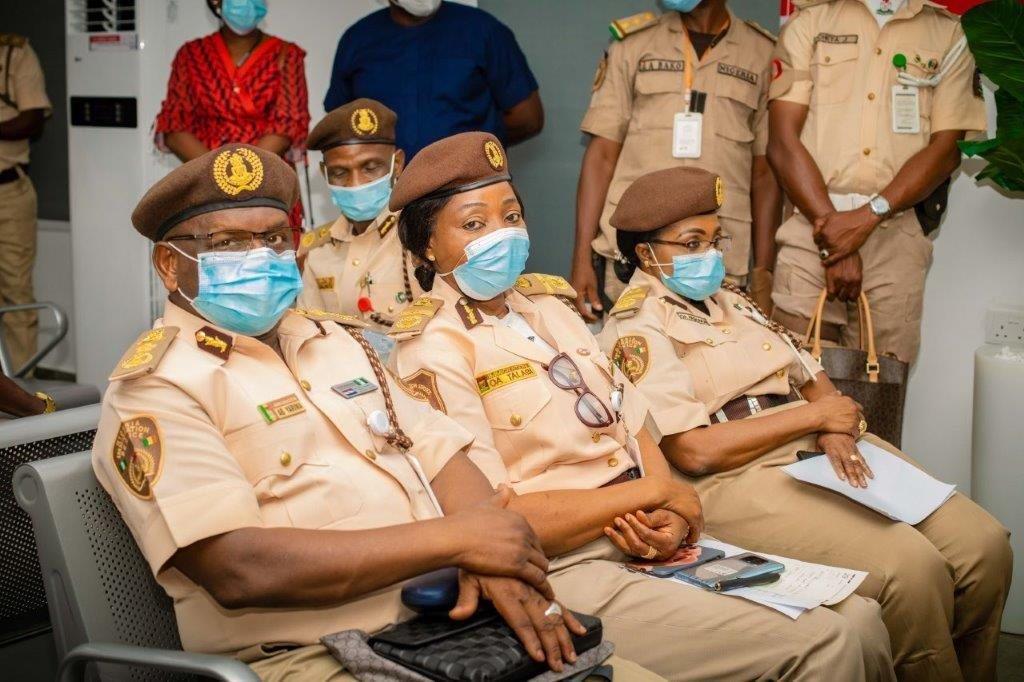
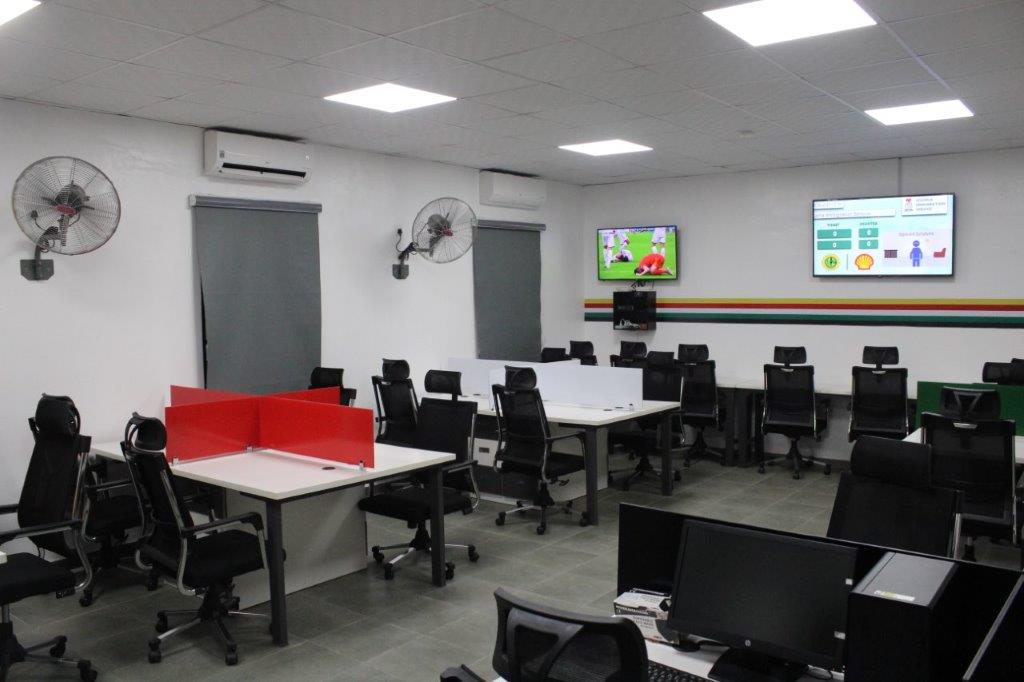
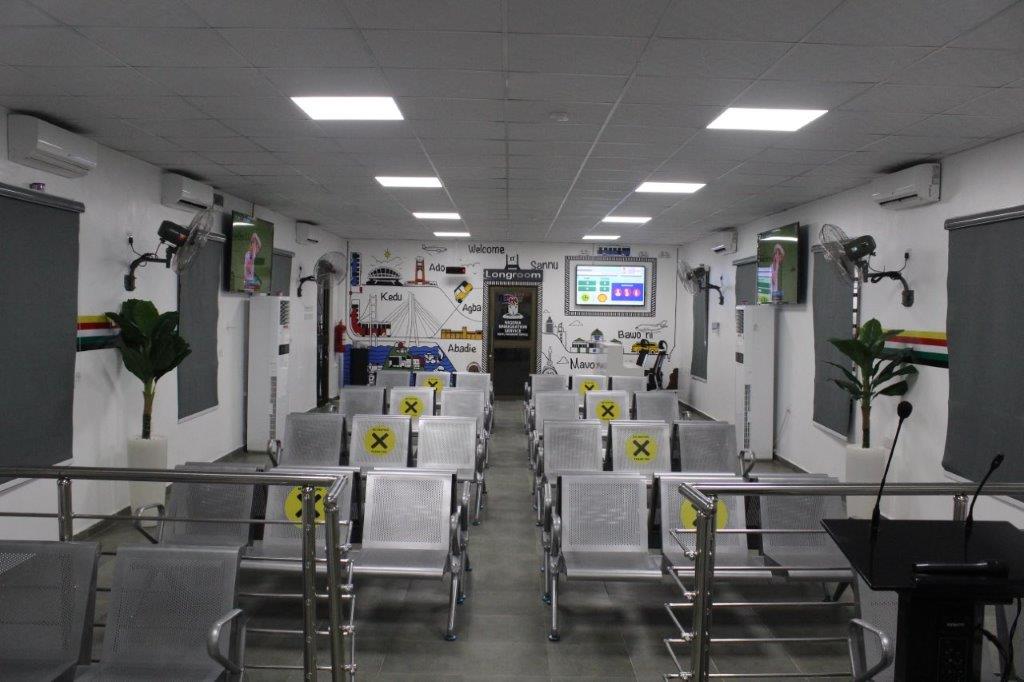
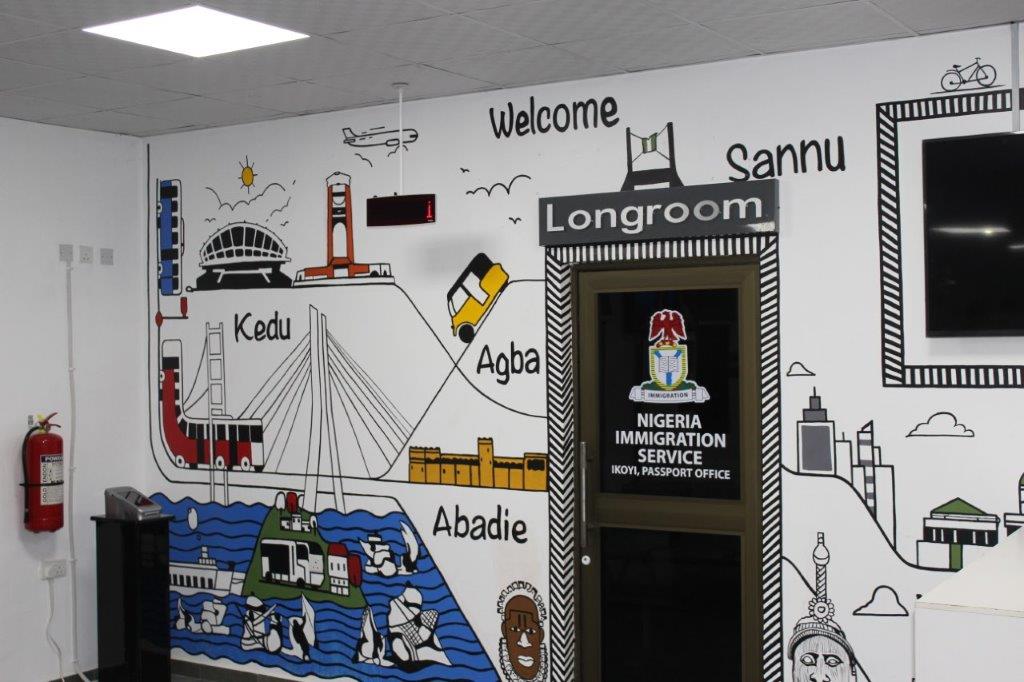
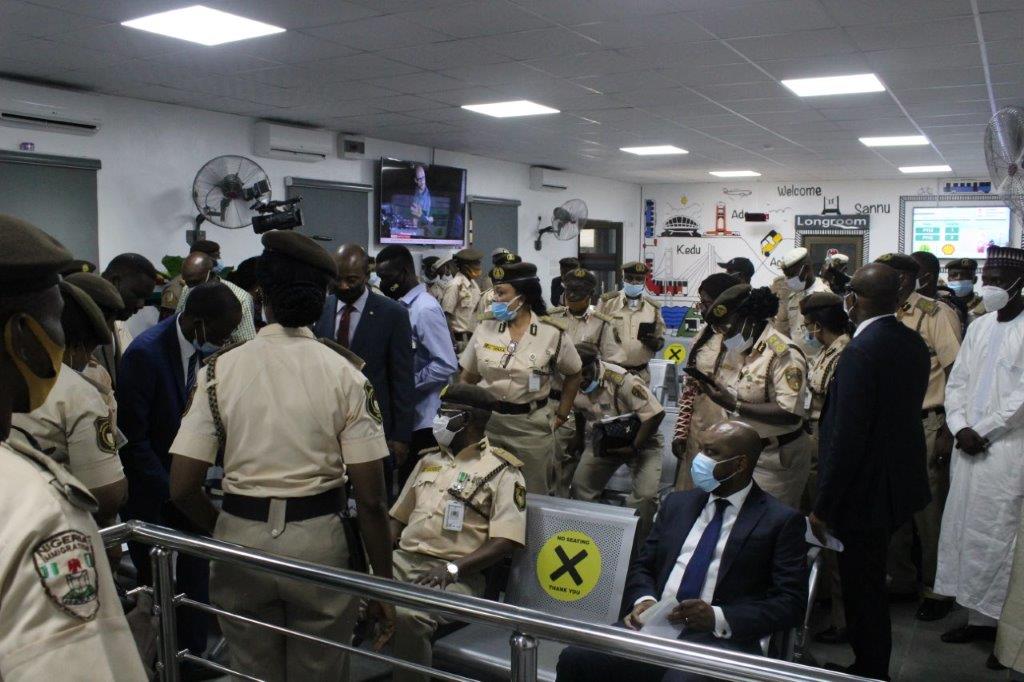
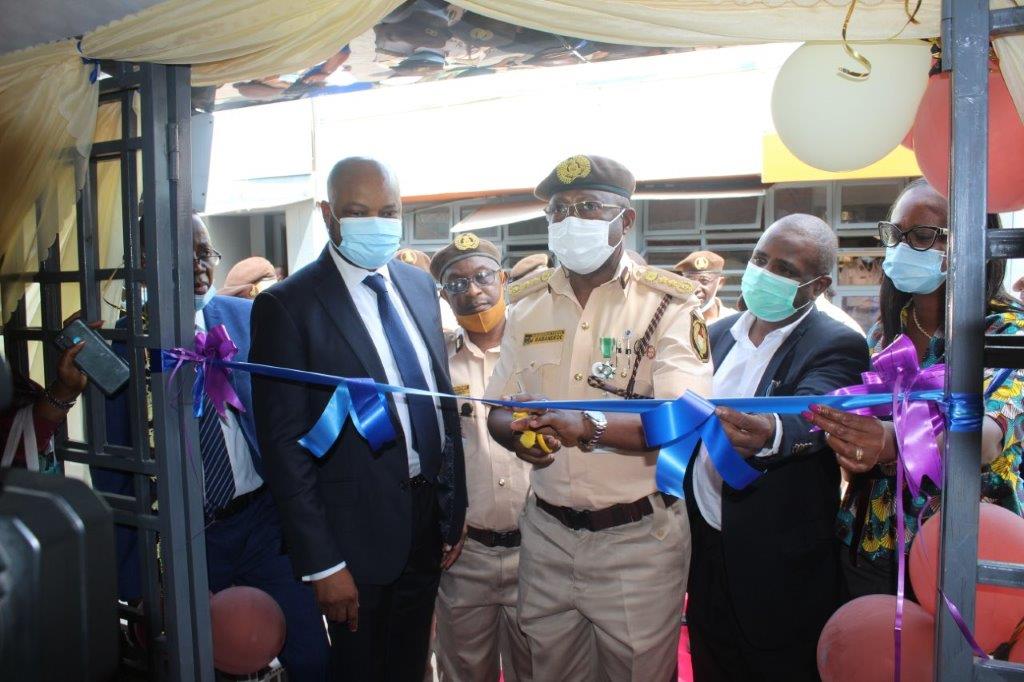
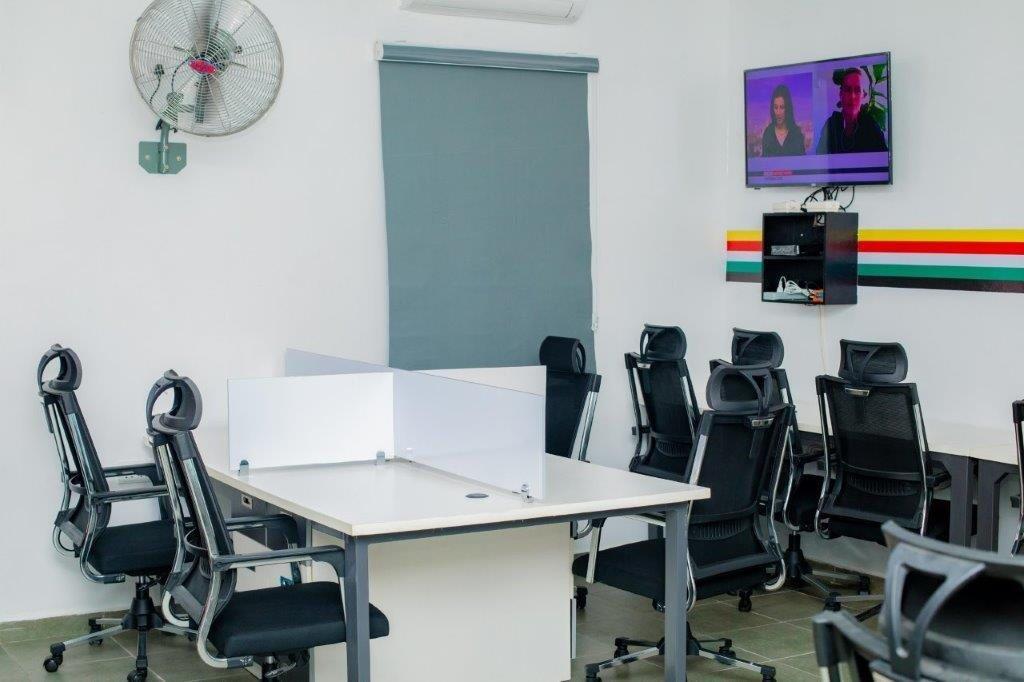
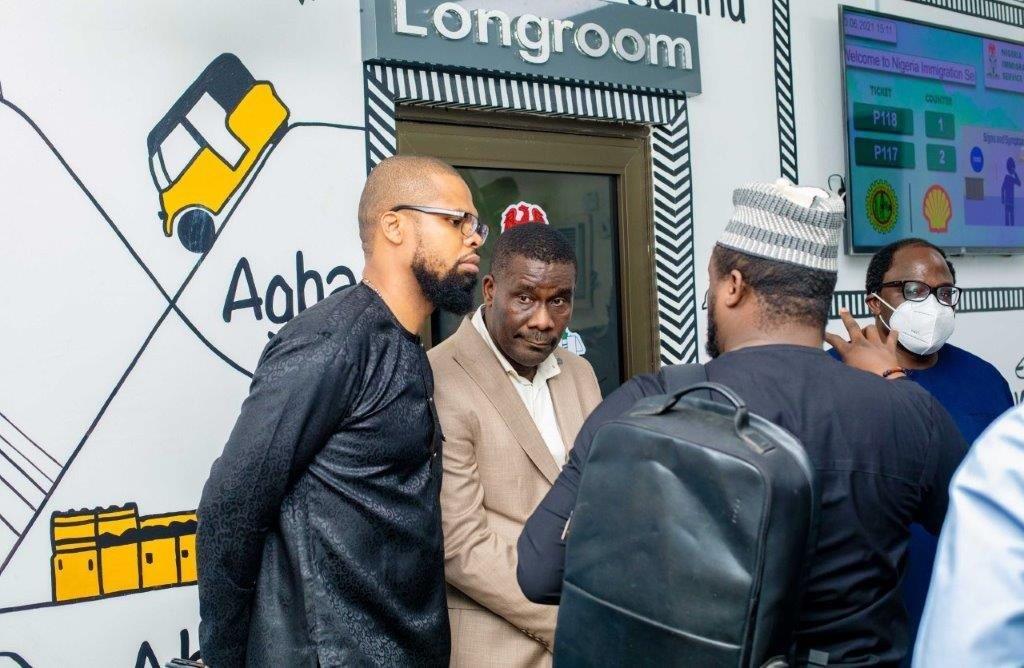
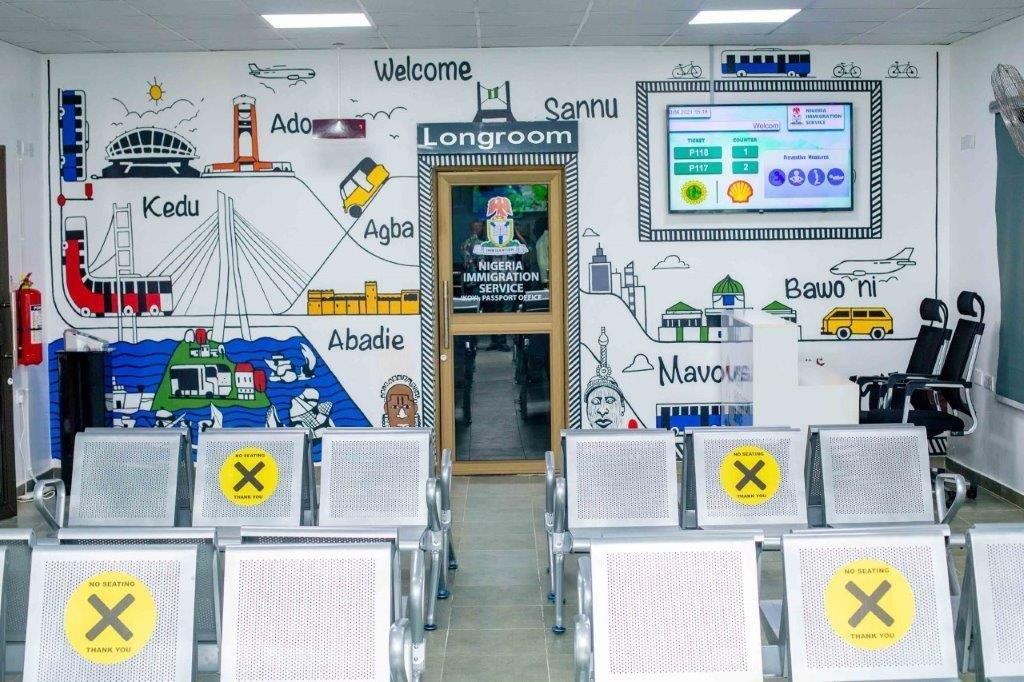
    Delivered as a CSR collaboration between NNPC Limited and Shell Nigeria Exploration and Production Company, this project modernized the high-traffic Ikoyi Passport Office in Lagos. The Offshore Lab redesigned the space with a new lounge, air conditioning, digital queue systems, and improved customer flow. The upgrade enhanced both service efficiency and visitor experience at one of Nigeria’s busiest passport offices.


    RELATED TOPICS


    The Role of the Private Sector in Delivering Critical Infrastructure for National Development
    News

    The Role of the Private Sector in Delivering Critical Infrastructure for National Development

    Stepping into the recently remodelled Arrival Wing E at the Lagos Murtala Muhammed International Airport, the impression is immediate and profound. This is not just a transit space; it is a vibrant gateway that reflects Nigeria’s spirit of innovation and commitment to excellence. A year after its major remodelling in December 2023, the wing continues to impress with its seamless operation and preserved beauty. “Most importantly, it benefits end-users—passengers—who now enjoy a world-class experience amidst the delightful ambience and swift service, setting the perfect welcoming tone as they step into Nigeria.” As our 2024 ‘Detty December’ travellers disembarked their flights to Nigeria and entered Arrival Wing E, they would have been immediately enveloped in an atmosphere of vibrant celebration and cultural homage. The remodelling, evident in the thoughtful design and functionality, has not only enhanced the initial visitor experience but has also maintained its allure throughout 2024, showcasing Nigeria’s capacity to deliver world-class quality and unforgettable experiences. The wing itself tells a story of Nigeria’s rich heritage through every meticulously crafted element. Art tablets vividly depict the ancient Nok Art, Ife Kingdom, Igbo-Ukwu Civilisation, and the Benin Kingdom, while the walls have been transformed into a vibrant tapestry of history. Half of the pillars echo “welcome” in 44 local dialects, with the other half wrapped in Nigerian fabrics to add a touch of national texture and pride. The clearance counters proudly bear the names of our diverse states, and for seamless passenger clearance, counter points were increased from 7 to 32, complete with all associated ICT infrastructure. This wing E remodelling also tells a story of the untapped potential of collaborating for national infrastructure. The partnership model, involving the Federal Airports Authority of Nigeria (FAAN), Nigeria Immigration Service (NIS), and corporate giants Shell Nigeria Exploration and Production Company Limited (SNEPCo) and NNPC Limited, was born from a shared vision: to transform the airport from a mere point of transit into a showcase of Nigeria’s potential and ambition. As the project implementation partner, The Offshore Lab leveraged its expertise in critical infrastructure to seamlessly integrate national history, art, engineering, and technology into this vital national and continental hub. An example of this model’s catalytic effect and scalability is the more recent intervention by United Bank for Africa (UBA), which has adopted a similar approach to remodel Departure Wing E, inspired by the success at Arrival Wing E. This demonstrates the collaborative model’s effectiveness, where corporate sponsorship in exchange for strategic branding opportunities is leveraged to revitalise national assets. For sponsors and corporate partners, the strategic branding opportunities at MMIA translate into unparalleled visibility in a venue that sees a constant flow of local and international traffic. For the government, it means elevating the standard of national facilities without solely bearing the financial burden. Most importantly, it benefits end-users—passengers—who now enjoy a world-class experience amidst the delightful ambience and swift service, setting the perfect welcoming tone as they step into Nigeria. A blueprint for national progress The public-private sector partnership success at MMIA sets a pathway for redeveloping Nigeria’s other airports and critical infrastructure. It also emphasises the point that with the right partnerships and clear vision, improvements in national infrastructure are not only possible but also sustainable and beneficial across the board. Emphasis on sustainability and maintenance Sustainability is crucial to ensuring that infrastructure improvements deliver lasting impact. Without consistent upkeep, even the most advanced designs can deteriorate, diminishing their value and user experience. The success of MMIA’s Arrival Wing E underscores the importance of embedding maintenance into infrastructure planning from the outset. A key factor in this achievement has been the expertise of the project implementation partner, The Offshore Lab, whose quarterly maintenance throughout 2024 kept the facility in pristine condition. By integrating sustainability commitments into partnership agreements, stakeholders can safeguard both the aesthetic and functional integrity of national infrastructure, extending its lifespan and maximising its return on investment. Beyond technical upkeep, sustainability must also embrace continuous adaptation to evolving needs and technologies. In a rapidly changing world, infrastructure must remain relevant through periodic upgrades and innovations. Enhancements to ICT systems or passenger flow mechanisms, for example, can significantly improve efficiency and user satisfaction over time. Proactive maintenance fosters trust among users and stakeholders, reinforcing a commitment to quality and reliability. By implementing regular audits and performance reviews, stakeholders can anticipate and address potential challenges early, ensuring sustained success. Ultimately, integrating sustainable practices transforms infrastructure into enduring symbols of national pride and global competitiveness. The remodelling of MMIA’s Wing E is a narrative of progress, potential, and collaboration. It serves as a beacon for the importance of enhancing key national infrastructures to ensure Nigeria’s gates are always open, not just to welcome guests but to proudly showcase a nation that is ready to be at the forefront of global engagement and innovation. The call to action now is for other private sector players to engage with FAAN and other MDAs, investing in our national pride and participating in transformation that uplifts and redefines Nigeria’s global image. About the author: Emeka Obiwulu is the Founder and CEO of The Offshore Lab (TOL), an integrated service company focused on delivering projects and driving innovation, technology and capacity development. With over two decades of global experience in engineering and project delivery, he has led impactful projects across continents, emphasizing sustainable, community-driven solutions that prioritize local engagement and long-term growth.

    Sep 14, 2025Read more
    The Offshore Lab Launches Campus Green Belt Initiative with the Planting of 1000 Trees at Bauchi State University, Gadau
    Report

    The Offshore Lab Launches Campus Green Belt Initiative with the Planting of 1000 Trees at Bauchi State University, Gadau

    Gadau, Bauchi State — In a significant stride towards combating climate change and deforestation, The Offshore Lab has partnered with Bauchi State University, Gadau to launch the ambitious Campus Green Belt initiative at the university’s main campus in Gadau. This groundbreaking project, marked by the planting of 1,000 fruit-bearing trees and the installation of a state-of-the-art drip irrigation system, is set to transform the university's landscape and serve as a beacon of sustainable development across Nigeria. The Campus Green Belt initiative has been conceived to plant and nurture fruit-bearing trees in universities and institutions of learning across Nigeria. It aims to harness the energy and enthusiasm of Nigeria's youth to address the pressing environmental crises facing the country. With climate change and deforestation posing existential threats to the nation, this project represents a proactive step towards fostering a culture of environmental stewardship and sustainable practices within educational institutions. A Visionary Initiative The Offshore Lab, a renowned project delivery contractor and incubator for innovative solutions, has designed the Campus Green Belt initiative to leverage the potential of young people in driving meaningful and sustainable change. By engaging students in the planning, planting, and maintenance of the trees, the project not only aims to create a greener campus but also to instil a deep sense of environmental responsibility and activism among the youth. "Our goal is to create a sustainable and scalable model that can be replicated across educational institutions in Nigeria," said Emeka Obiwulu, CEO of The Offshore Lab. "By involving students in every step of the process, we are empowering them to become the next generation of environmental leaders." Combating Climate Change and Deforestation Nigeria, like many other countries, is grappling with the devastating effects of climate change and widespread deforestation. The Campus Green Belt initiative addresses these challenges by promoting reforestation and sustainable agricultural practices. The 1,000 fruit-bearing trees planted on BASUG's main campus will not only enhance biodiversity and sequester carbon but also provide economic benefits to the community through the eventual harvest of fruits. The drip irrigation system installed as part of the project ensures the efficient use of water resources, a critical consideration in a region often affected by drought. This technology will help maintain the health and growth of the newly planted trees, demonstrating a practical application of sustainable agricultural techniques. Youth Empowerment and Education Central to the success of the Campus Green Belt initiative is its focus on youth empowerment. The project engages students in hands-on activities, providing them with practical skills and knowledge in environmental conservation and sustainable agriculture. Setting up student groups, workshops, seminars, and field training sessions are integral components of the initiative, offering students valuable learning experiences outside the traditional classroom setting. "The enthusiasm and dedication of the students have been truly inspiring," remarked Dr. Umar, a key facilitator of the project at BASUG. "I expect them to take ownership and take the lead, and my role will be supervisory”. “The active participation of the students not only ensures the success of this initiative but also lays the foundation for a generation of environmentally conscious citizens." A Collaborative Effort The launch of the Campus Green Belt initiative has been made possible through the collaboration of various stakeholders, including university leadership, local government officials, and community members. The support from the University leadership has been instrumental in providing a conducive platform for the project's implementation. According to the Vice Chancellor Prof. Fatima Tahir, the initiative came at the right time as the university always had the idea of establishing this orchard with such biodiversity and fruit-bearing trees. She said, “In as much as the university always had this idea of wanting to establish something like this, I must say that this is the conception of The Offshore Lab with the support of Shell Petroleum Development Company.” "We are proud to be the first university to host this innovative initiative," said Prof Tahir. "This project aligns perfectly with our commitment to sustainable development and community engagement. We look forward to seeing its positive impact on our students and the wider community." A Model for the Future As the Campus Green Belt initiative takes root at BASUG, its proponents are hopeful that it will serve as a model for other institutions across Nigeria and beyond. The project's success demonstrates the power of youth-led action in addressing global environmental challenges and highlights the importance of integrating sustainability into educational frameworks. In a world increasingly threatened by environmental degradation, initiatives like Campus Green Belt offer a glimmer of hope and a roadmap for sustainable development. By empowering the youth and fostering a culture of environmental responsibility, The Offshore Lab and BASUG are making significant strides towards a greener, more resilient future.

    Jun 14, 2024Read more
    Social Investment, Public Private Sector Partnership And The MMIA Project.
    Report

    Social Investment, Public Private Sector Partnership And The MMIA Project.

    Feb 24, 2024Read more