Report
Social Investment, Public Private Sector Partnership And The MMIA Project.
Feb 24, 2024Read more
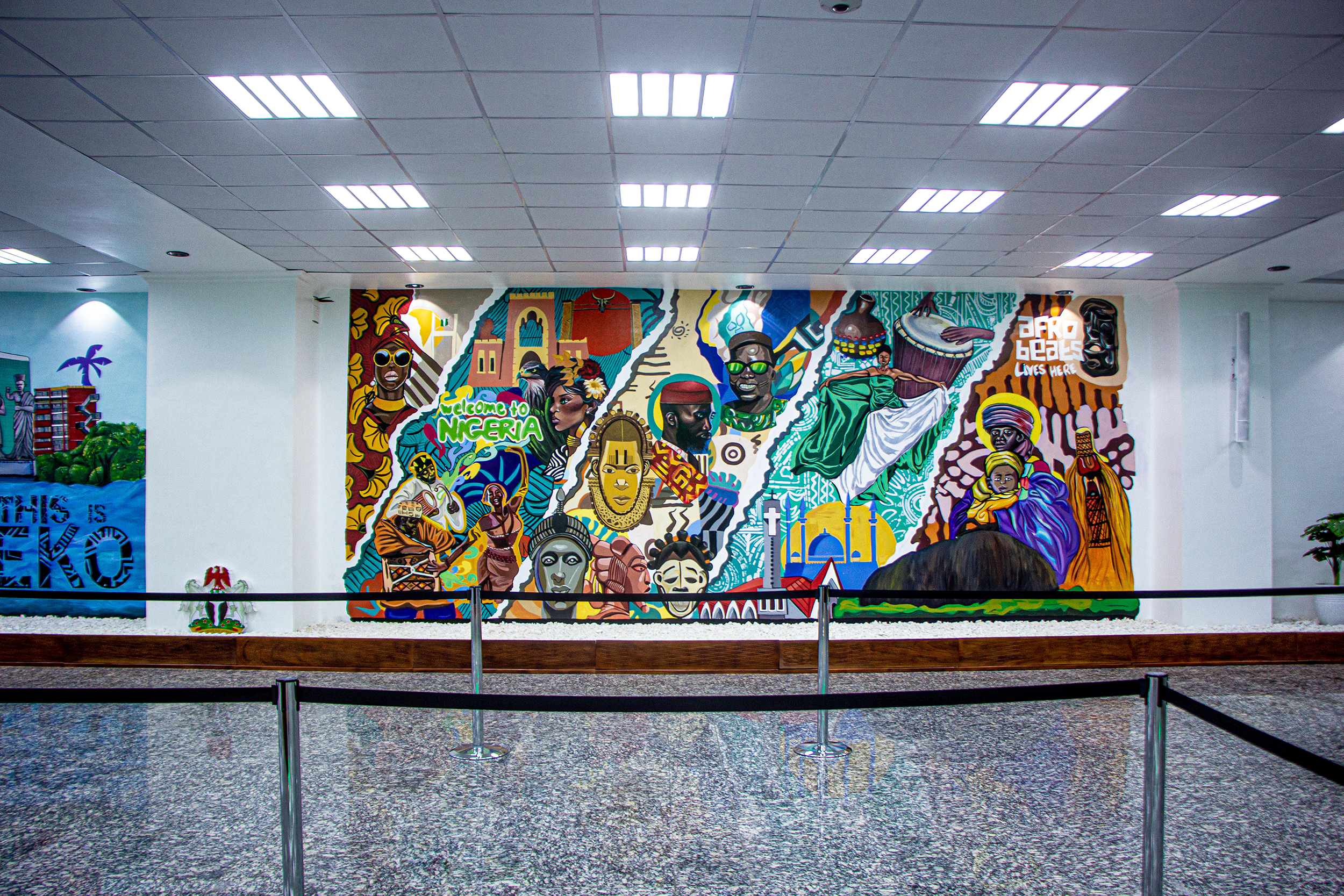
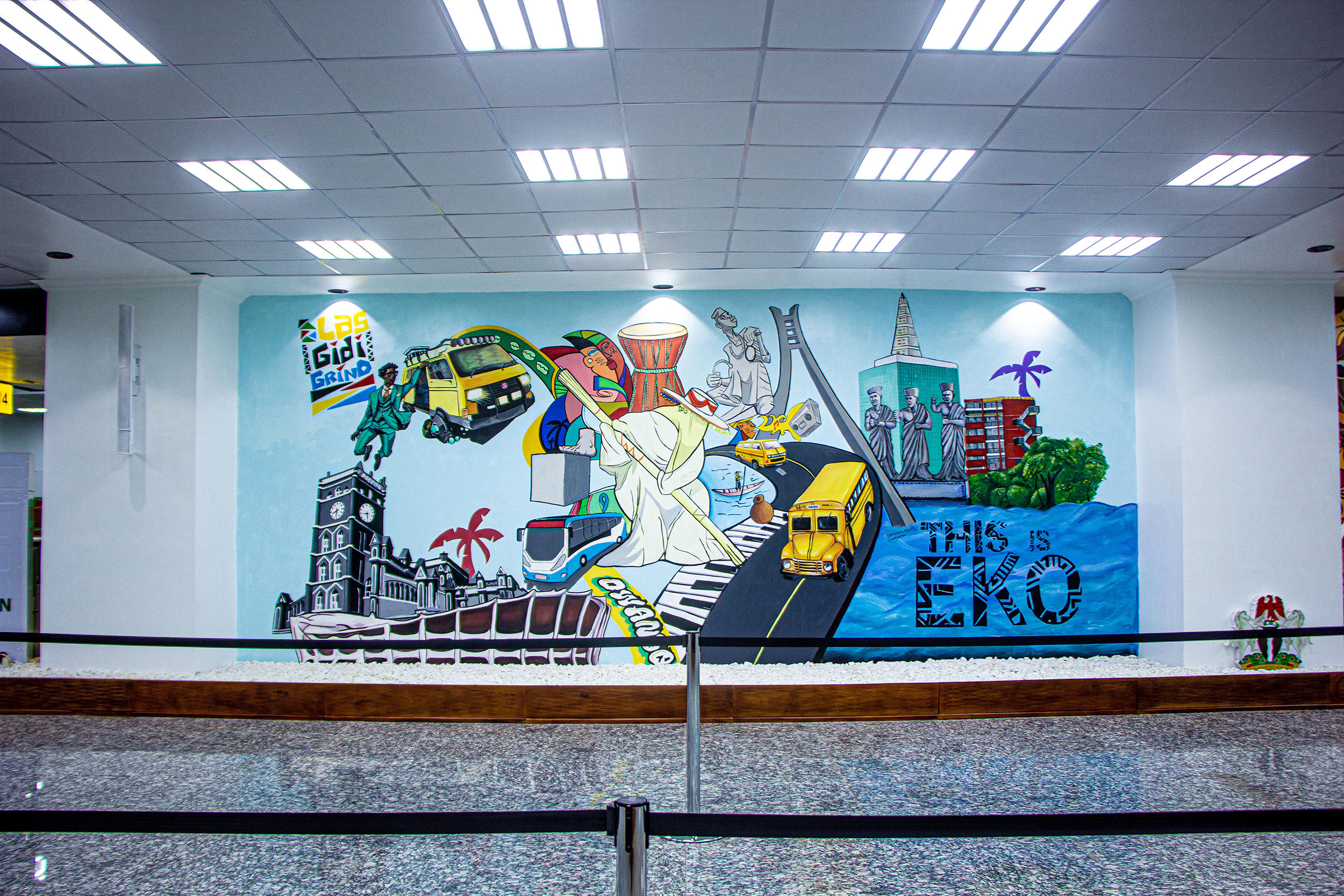
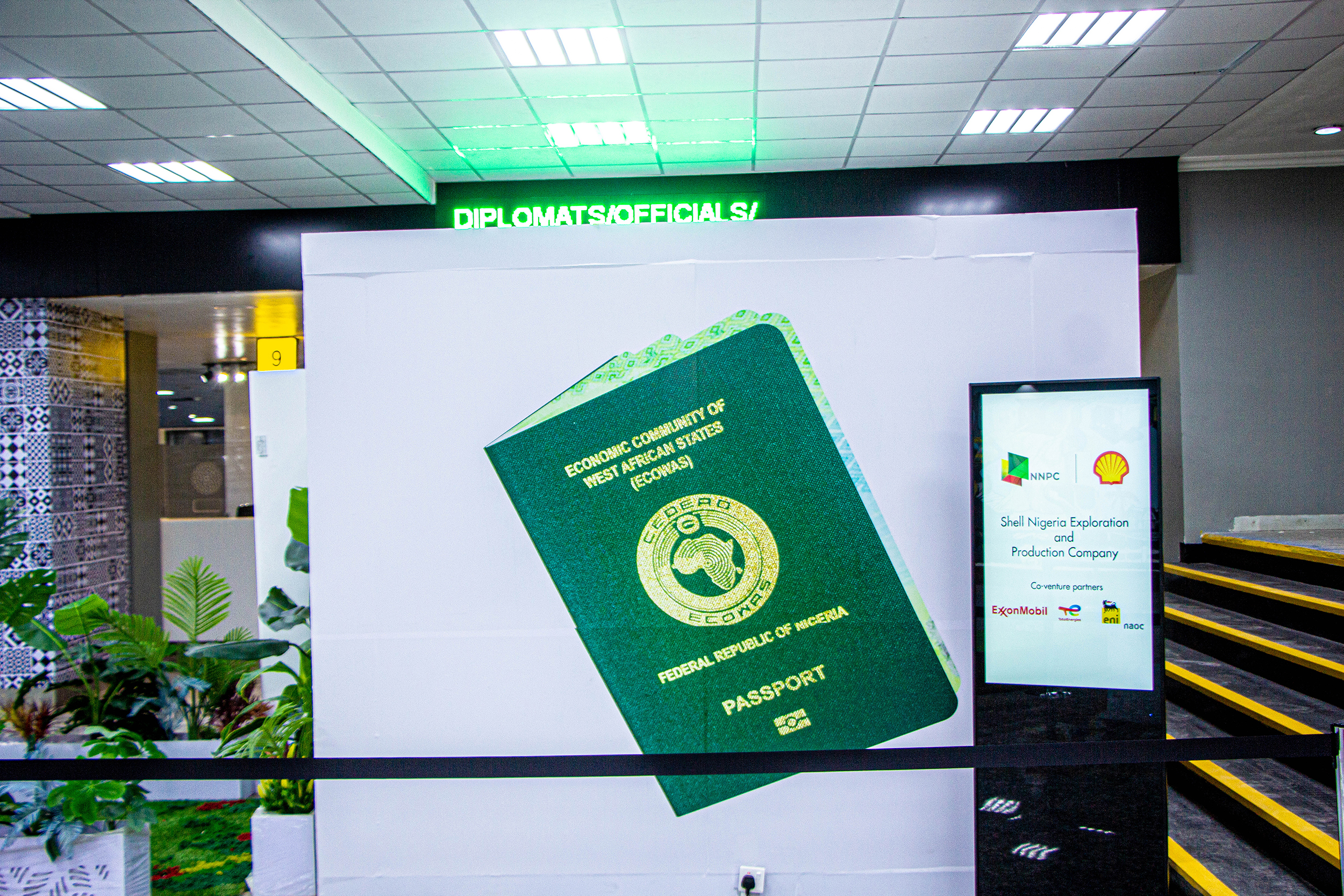
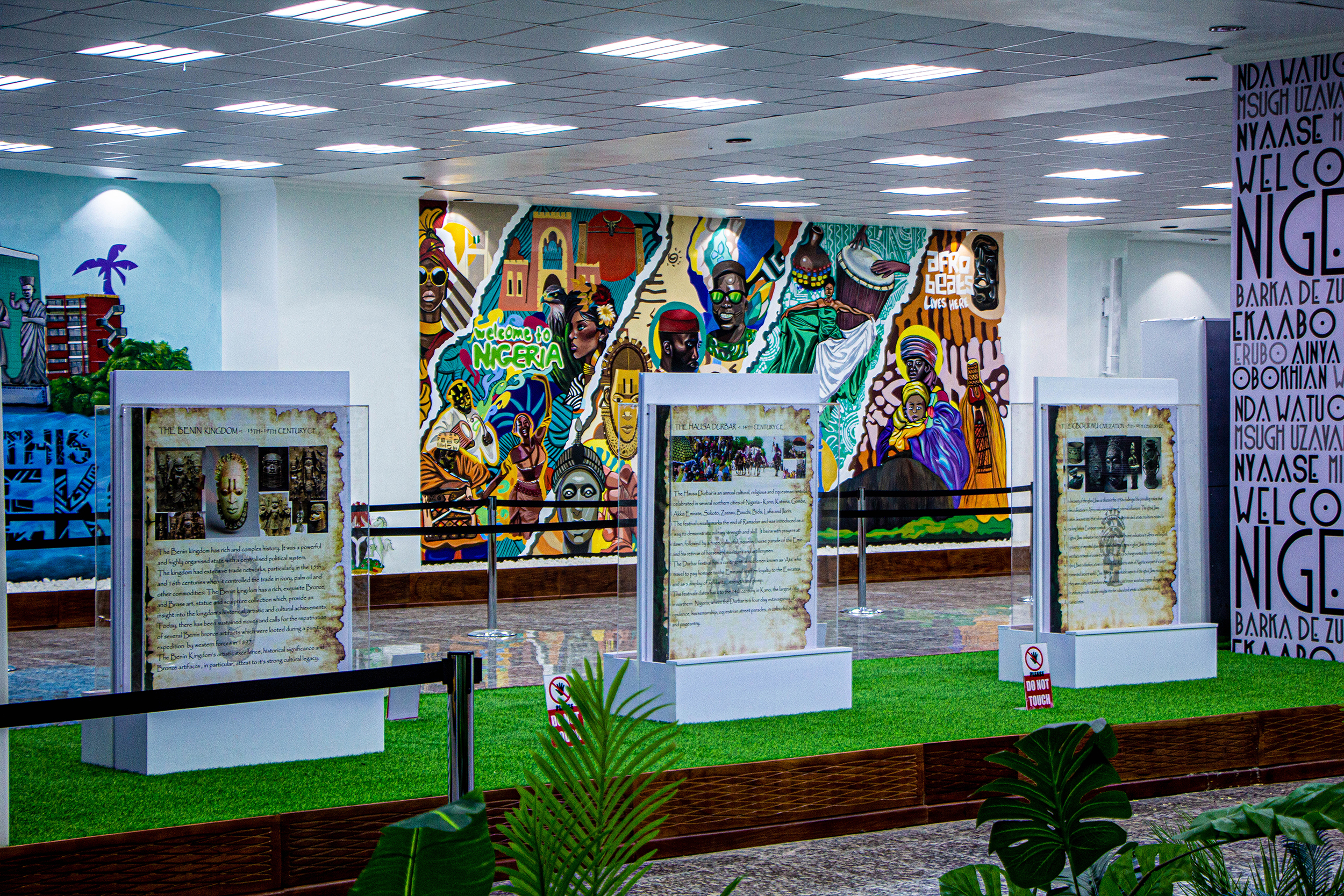
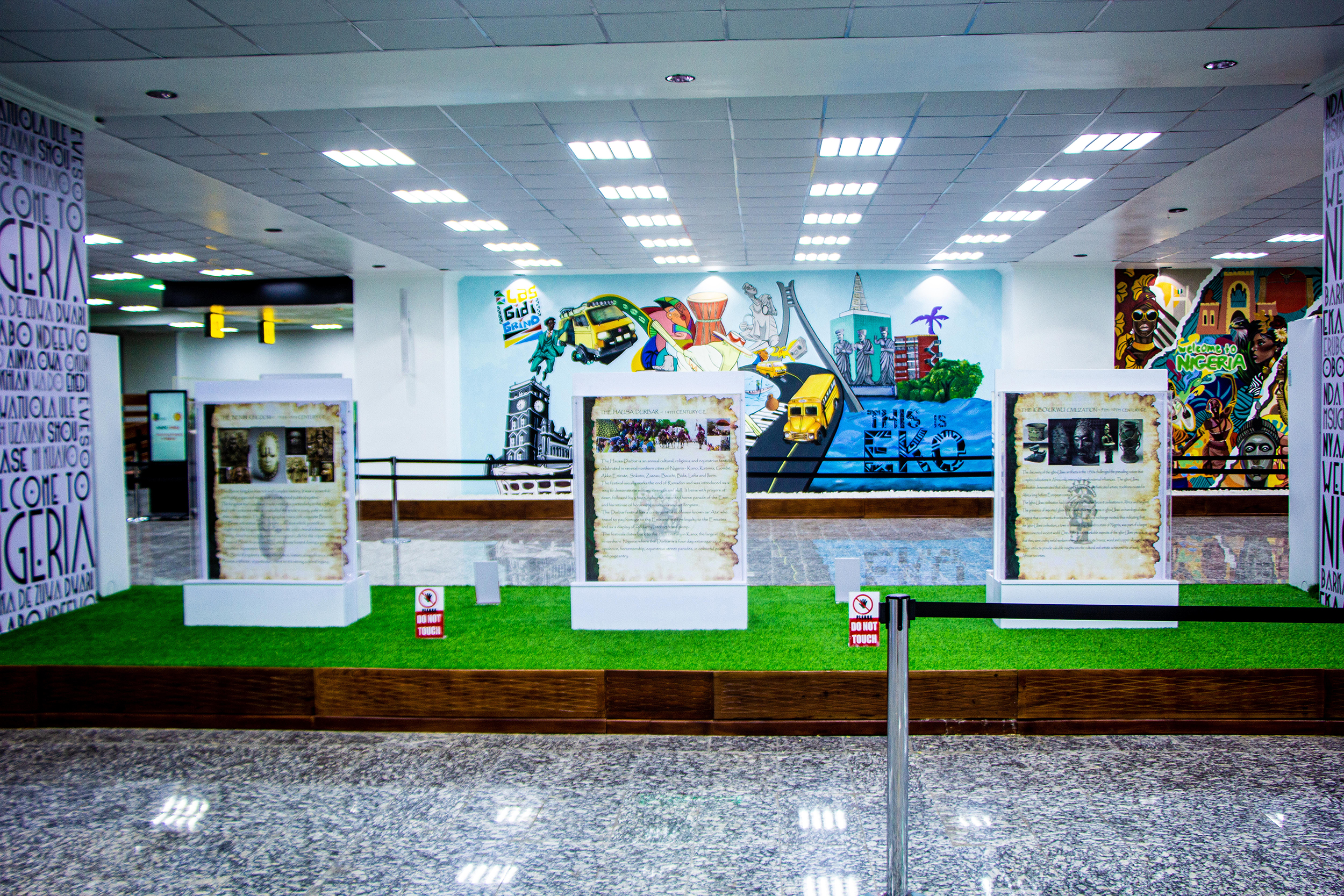
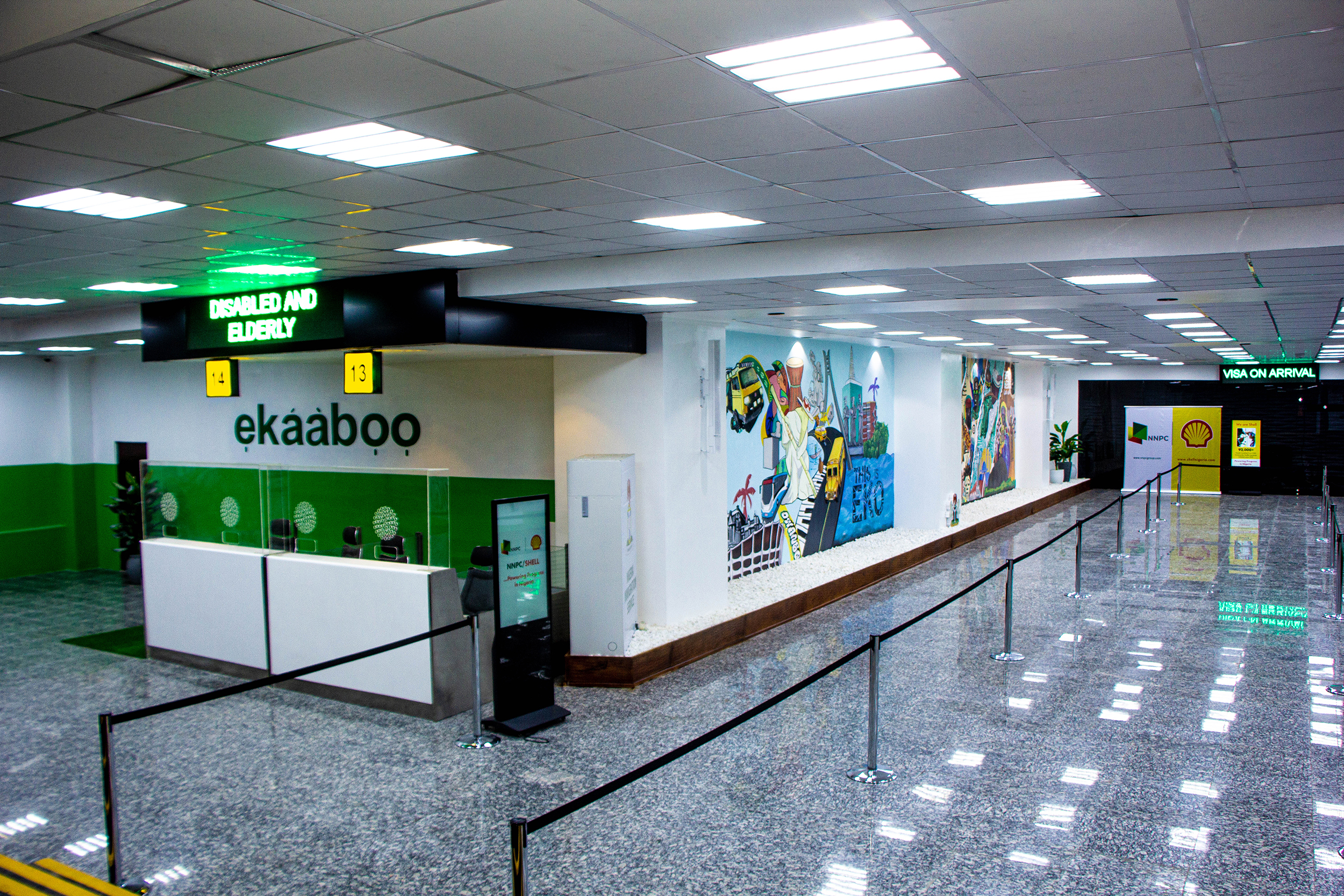
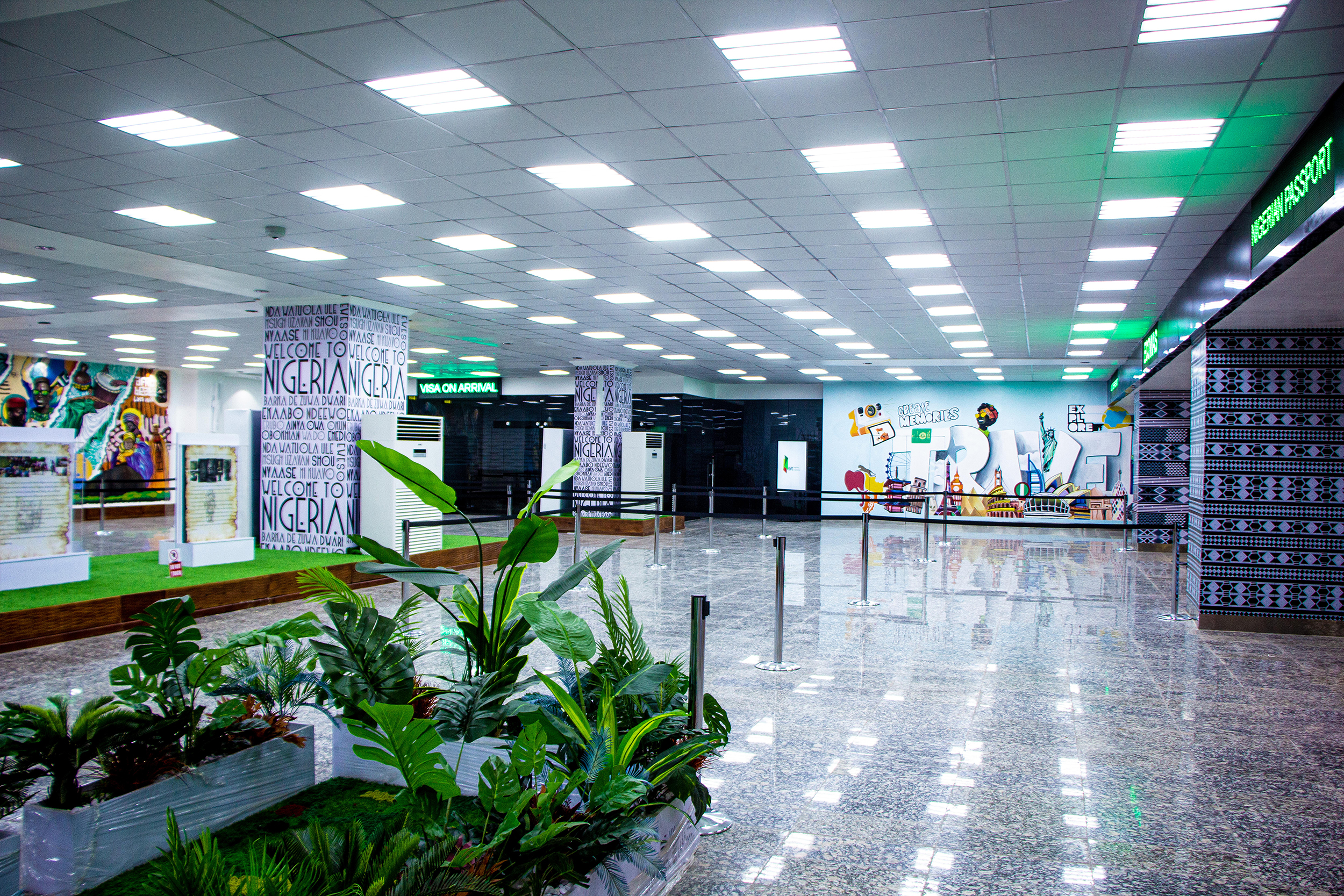
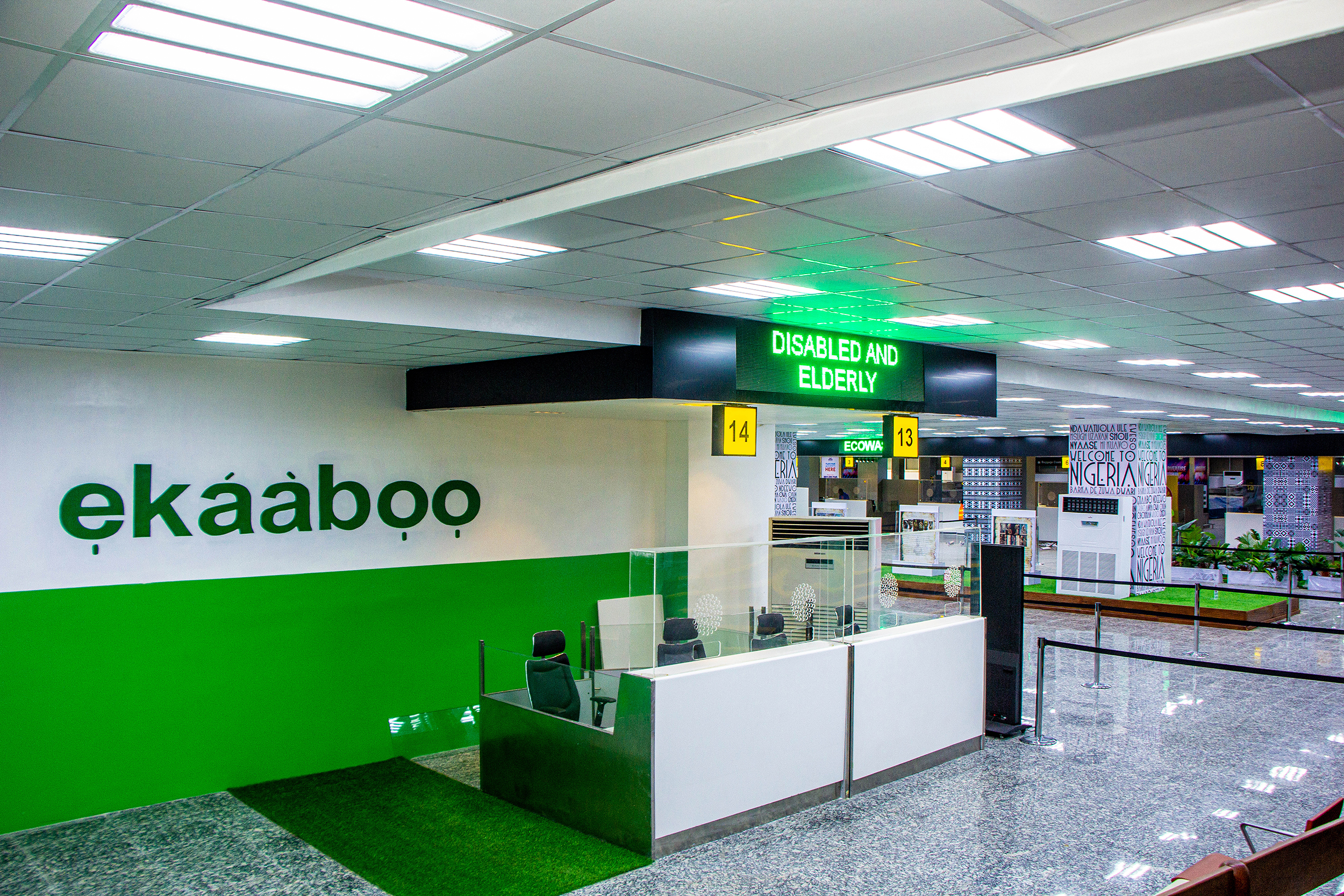
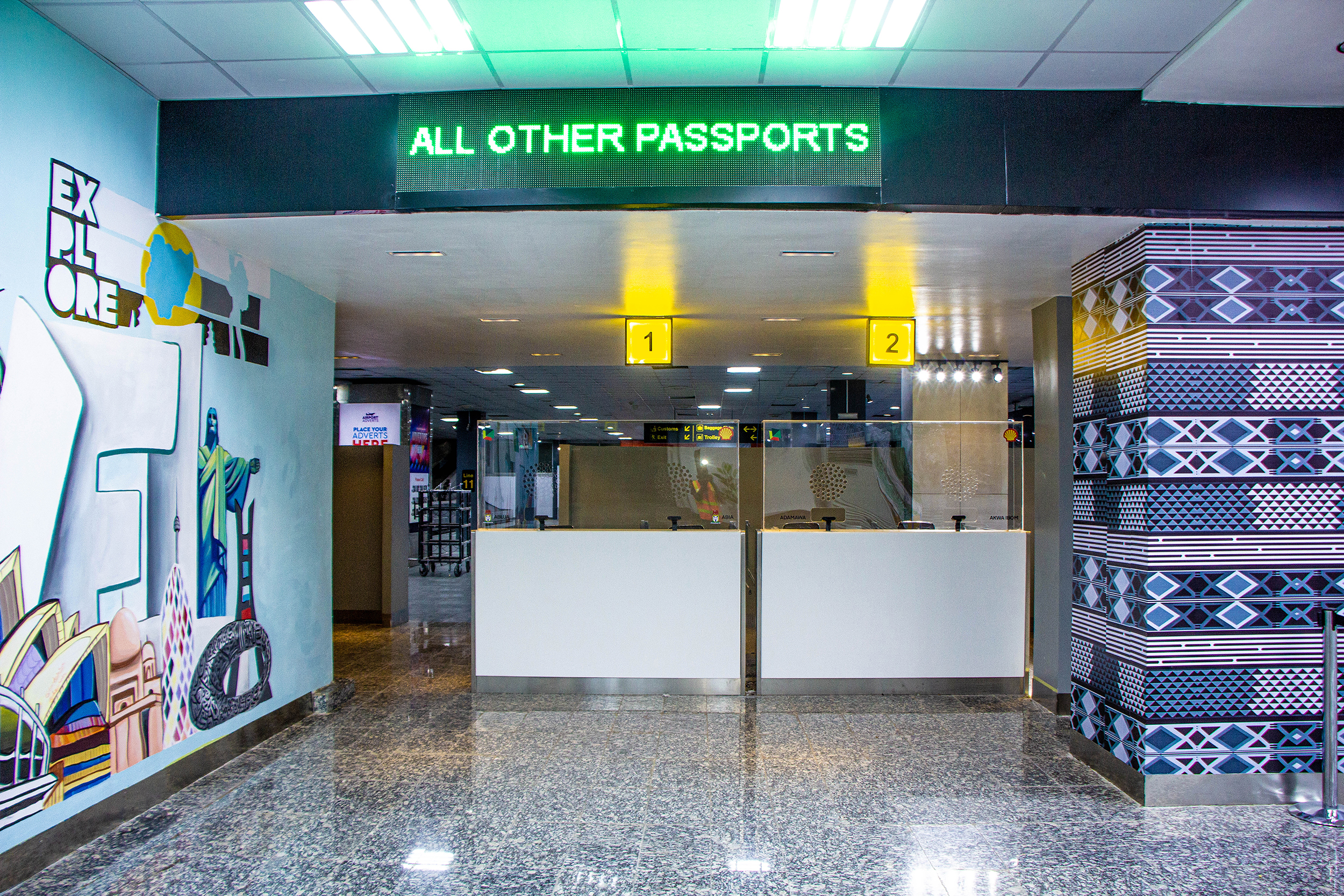
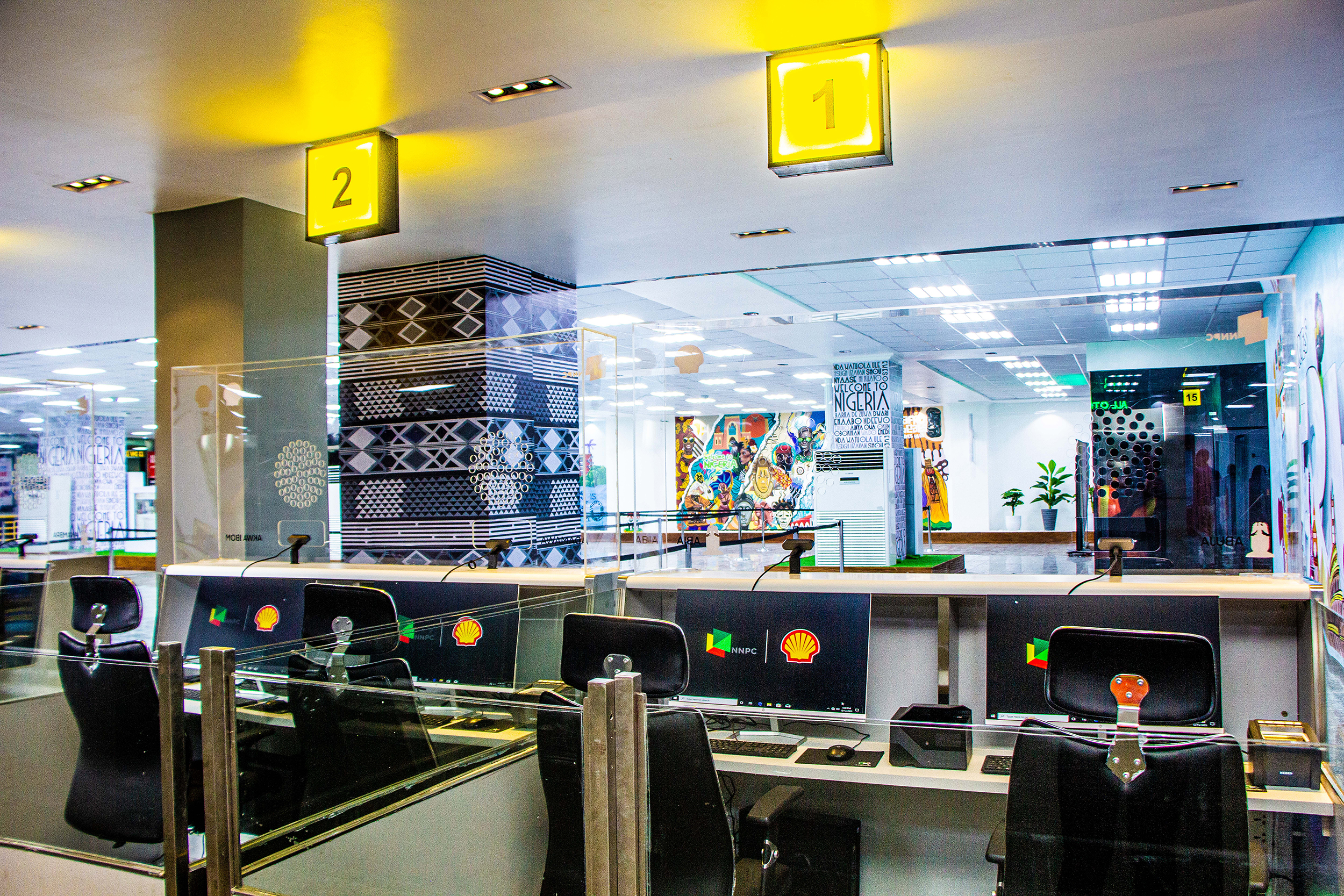
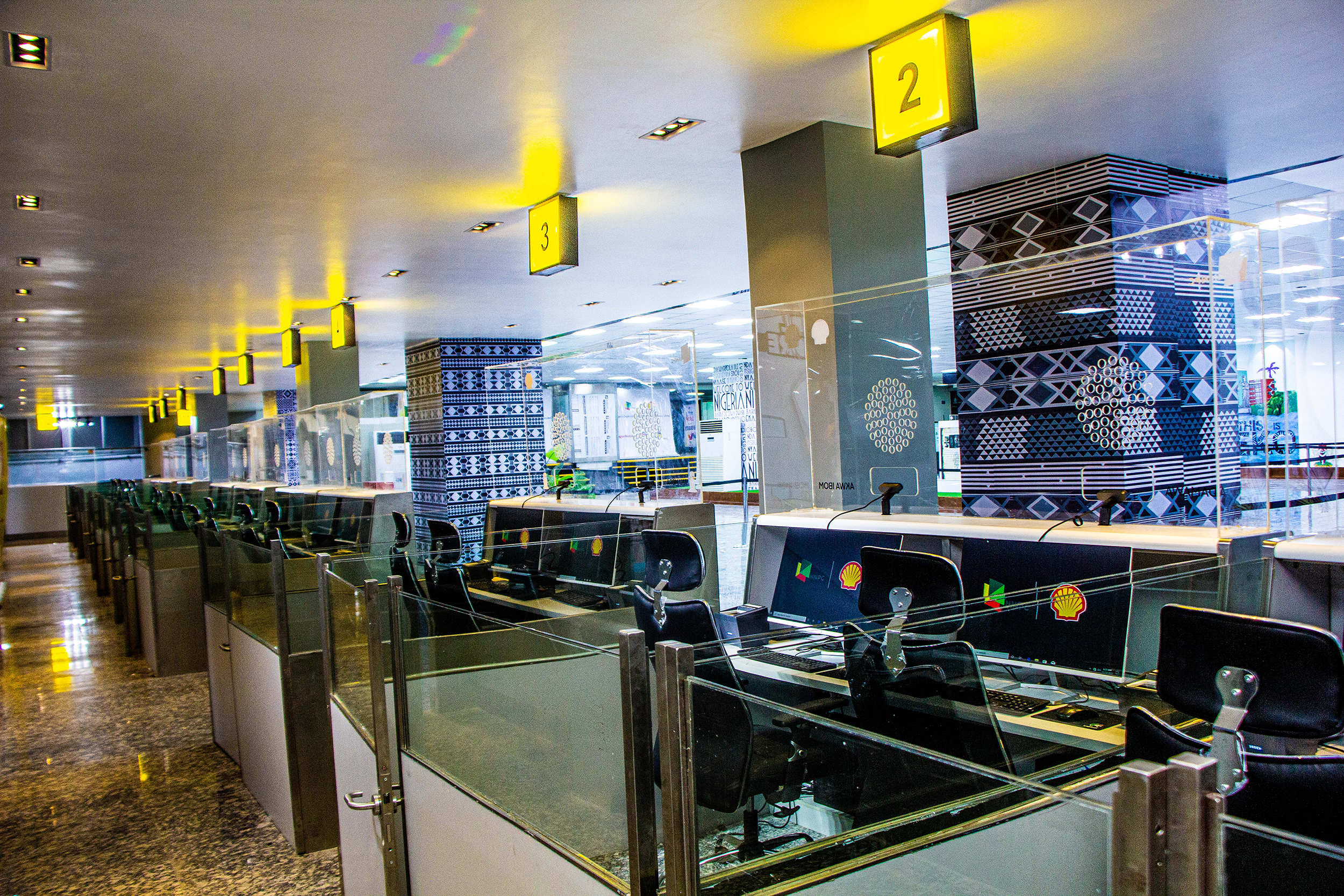
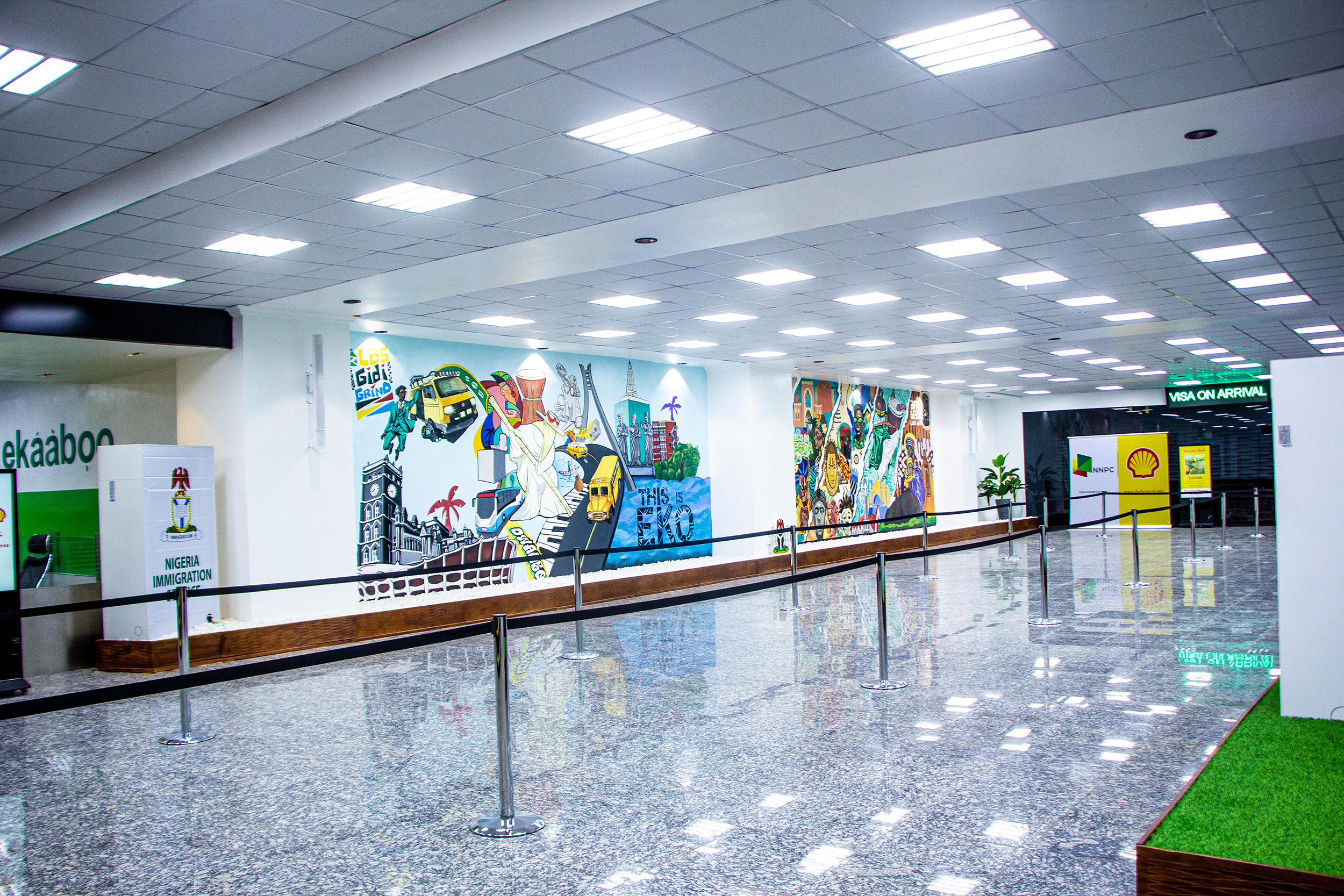
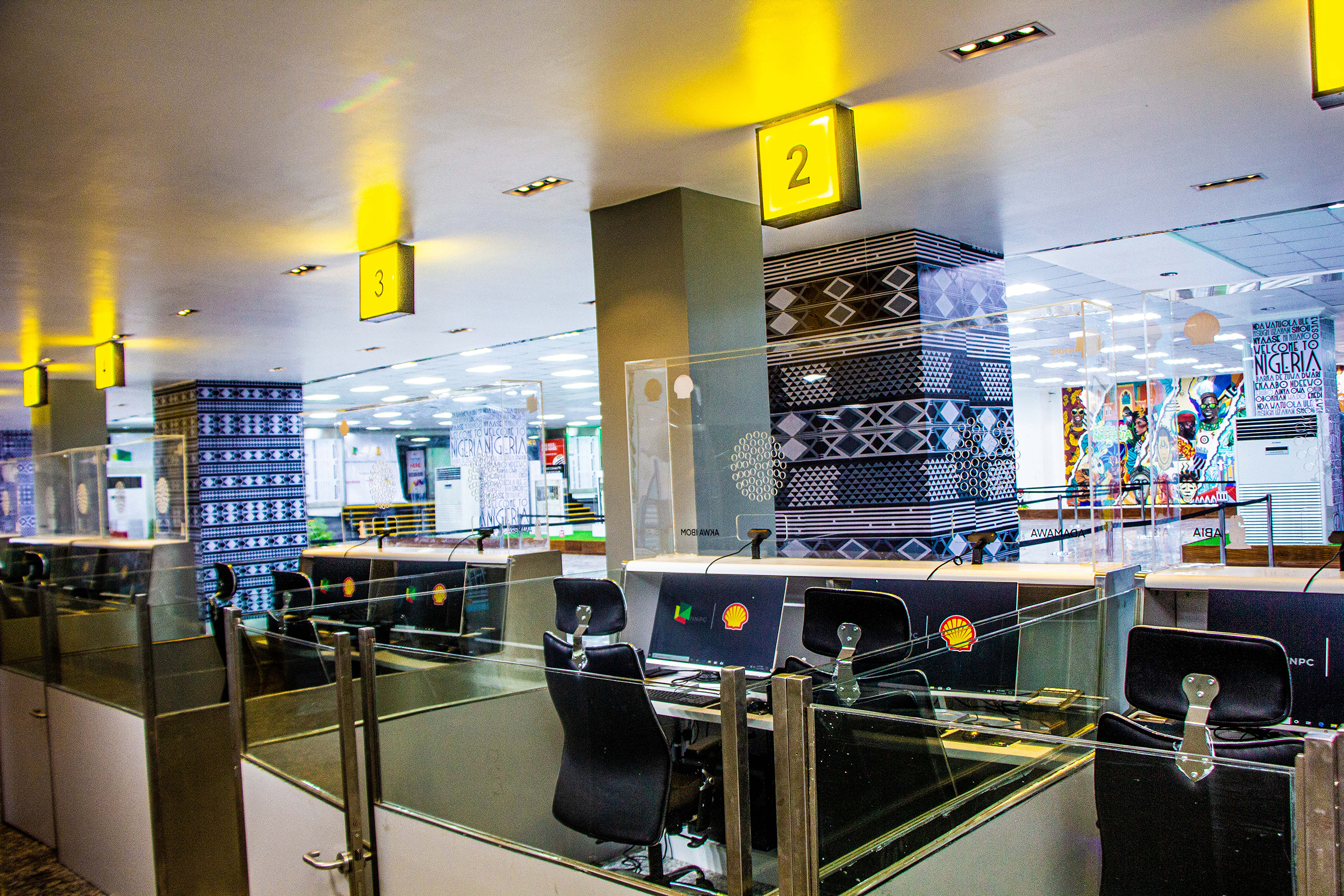
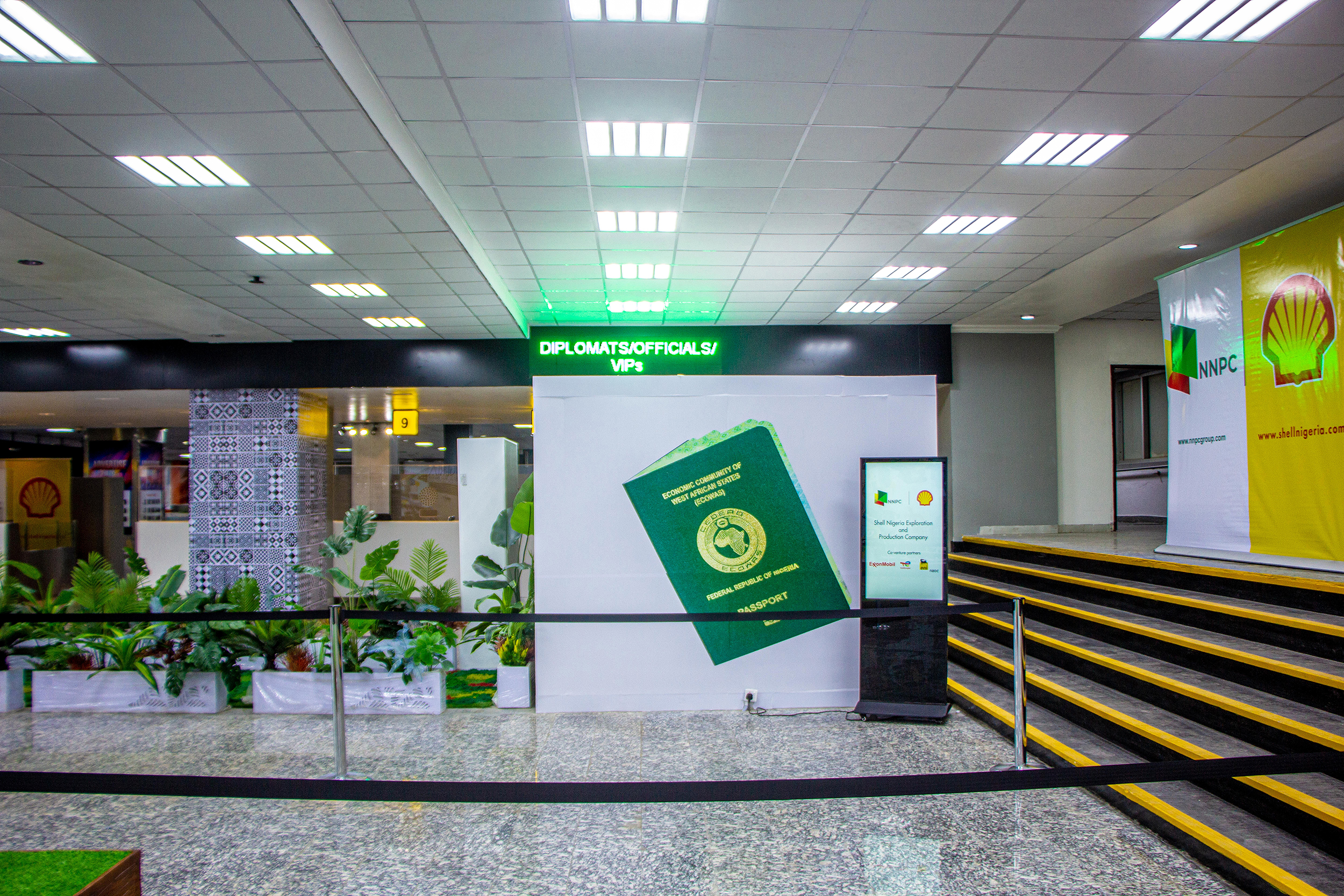
In 2023, The Offshore Lab reimagined Nigeria’s busiest airport by remodeling the Arrival Wing E terminal at Murtala Muhammed International Airport (MMIA), Lagos. The project merged art, history, and technology to transform a functional space into a celebration of national identity.
The new design integrates bespoke artworks inspired by the Nok, Ife, Igbo-Ukwu, and Benin civilizations, while pillars now greet travellers in 44 Nigerian languages. Walls draped in indigenous fabric motifs and 32 new clearance counters equipped with biometric IT systems elevate both aesthetics and passenger experience.
Delivered in partnership with NNPC Limited and SNEPCo, and supported by FAAN, NIS, DSS, and Nigerian Customs, this project stands as a model of innovation and national pride.
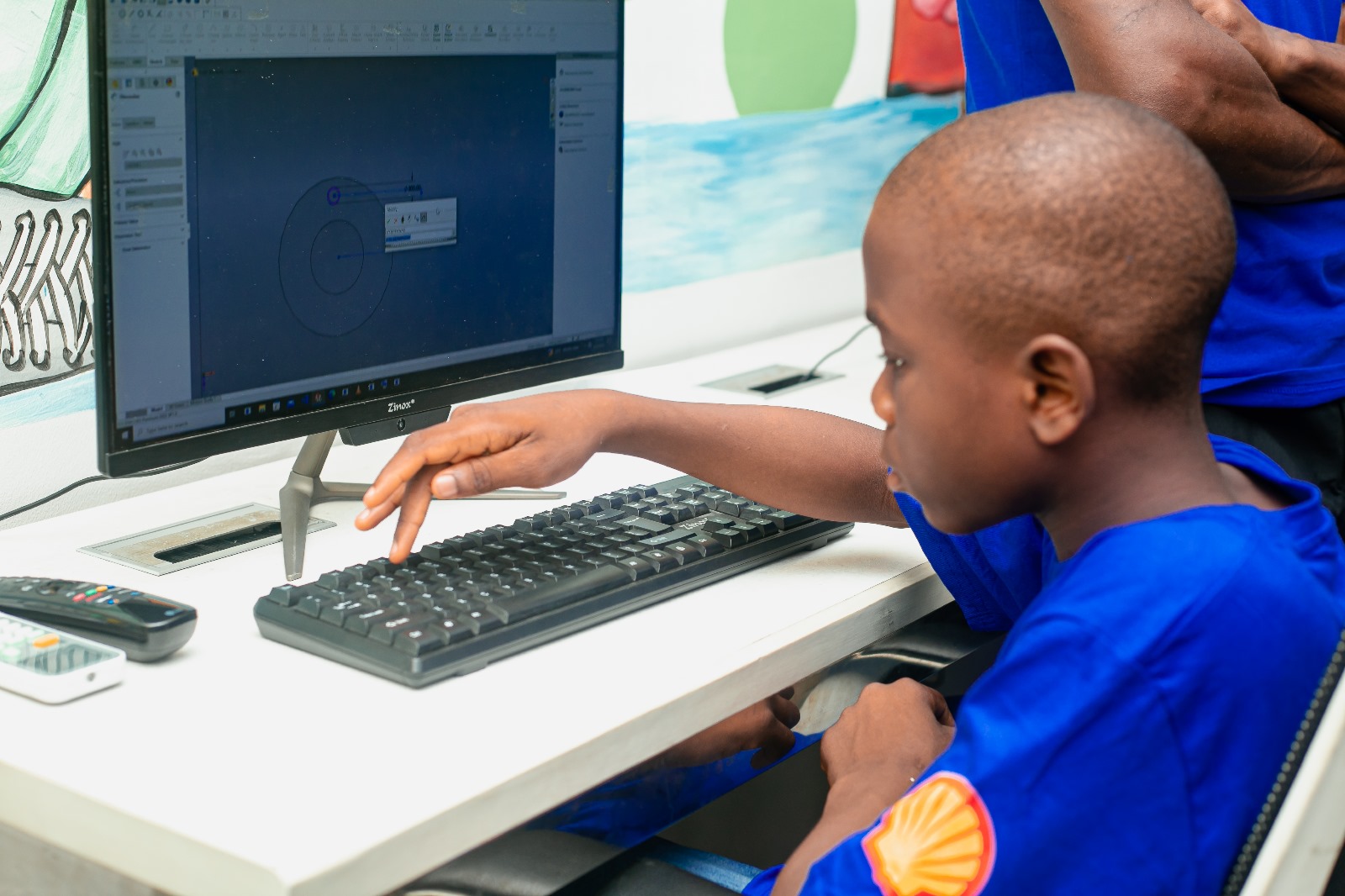
An extraordinary tale of hope and transformation unfolds beneath the surface of Badamia Home in Port-Harcourt Rivers State; a sanctuary dedicated to the rescue, feeding, and education of street boys. A year ago, SPDC and NNPC Limited in partnership with The Offshore Lab donated a mini-ICT lab to the Home, (Junior Lab) complete with a tailored curriculum and trainers. Designed, equipped, and operated by The Offshore Lab, this space has become a portal to boundless aspirations and accelerated development of these young boys hitherto unfamiliar with the realm of computers. Their progression has been nothing short of remarkable. From grasping the fundamentals to delving into the intricacies of engineering design, these boys have embarked on a journey of self-discovery and intellectual growth that surpasses all expectations. According to Emeka Obiwulu, the CEO of The Offshore Lab, “The success thus far of the heroes of Badamia Home is further proof of the notion that talent is everywhere while opportunity isn’t. It is testament to the abundance of talent and resources our country possesses even within grassroots and disadvantaged demographics. By sustainably scaling up initiatives like these and establishing similar centres of learning in all our Local Government Areas, we can provide invaluable opportunities for education, skills development, employment, productivity, and national development. The envisioned impact is designed to extend far beyond the confines of this single location. It is about catalysing a nationwide ripple effect of positive change by fostering and disseminating specialised learning from the grassroots”. On Tuesday 23 rd April 2024, the corporate governance and social investment teams from SPDC dedicated a day at the Home, mentoring, inspiring and reviewing the developmental strides of Badamia’s inspiring young men. Igo Weli, GM Corporate Relations for Shell Companies in Nigeria, reflected, “Our actions today shape the narrative for our nation’s tomorrow; we all can contribute to a brighter future and must seize these opportunities as responsibilities. I am thrilled because I see things here that will help this country in the future. It is not just about their technical development; you can also see the growth in confidence and leadership skills. This is the most rewarding part of my role as CR Head in Nigeria – being able to touch lives and directly witness the impact”. The story of the boys of Badamia Home epitomizes the transformative power of collaboration and the immense talent of the young Nigerian. This journey of determination, courage, and talent is one to watch closely. Guardian News
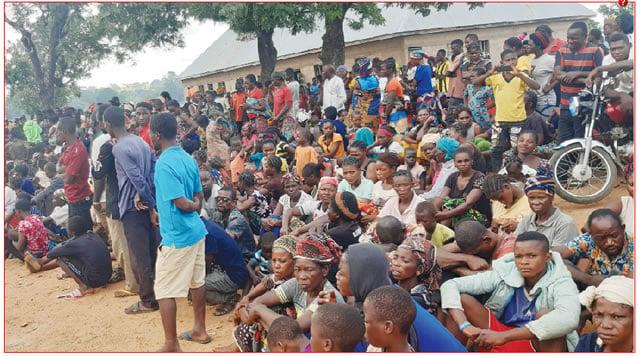
At first glance, the steel containers parked at the edge of an internally displaced persons (IDP) camp look like ordinary cargo units. But step inside, and you will find children reading aloud, teachers scribbling on whiteboards, and the hum of a solar-powered fan cutting through the afternoon heat. For many of the children, some born into displacement, others forced from their homes by conflict, this is their very first classroom. The initiative, recently modernise and, called SchoolBox, is turning crisis into opportunity by transforming old shipping containers into fully functional, solar-powered classrooms. Emeka Obiwulu, the founder of The Offshore Lab and the visionary behind SchoolBox spoke exclusively to LEADERSHIP about giving hope to the children through the initiative. In 2024, Obiwulu visited an IDP camp near the Alau Dam in Borno State, where he witnessed firsthand the toll of conflict and flooding on children’s lives. “There were hundreds of children just sitting around. No school, no books, nothing. It struck me that even as we gave food, we were feeding the body but leaving the mind to starve.” That experience ignited the idea of a mobile, scalable school that could go where traditional buildings couldn’t. Within months, the first SchoolBox prototype was completed, a 40-foot steel container, retrofitted with desks, solar lighting, ventilation, whiteboards, and even digital learning tablets. At the IDP camp in Benue, eight-year-old Simi clutches a writing slate with pride. Her family fled their village in Katsina after bandits attacked. “I didn’t go to school before,” she says shyly. “Now, I want to be a teacher.” Her story is echoed by dozens of children now enrolled in the SchoolBox units. Many have missed years of formal education, but they are finally catching up, thanks to an innovation that was born out of urgency. Each SchoolBox unit accommodates up to 30 learners and is designed to be climate-resilient, self-sufficient, and rapidly deployable. “We’re not trying to build permanent schools in impermanent spaces. “We are building durable education for fragile contexts,” Obiwulu said. Teachers are recruited from host communities and trained specifically in trauma-informed instruction. The model includes offline digital learning tools so pupils can learn at their own pace, regardless of internet connectivity. For children who have experienced violence, loss, and instability, the structure and safety of a classroom, even if made of steel, is transformative. The SchoolBox team aims to scale the project to 10,000 units by 2030, serving not just IDP camps but also riverine, desert, and flood-prone communities where schools have never existed. “Our mission is simple. No child should be denied education because of war, water, or where they were born. If they can not reach the school, the school must reach them,” he added Leadership News